How to Get Better at Presenting on Camera, Fast
Sep 17, 2024The fastest way to get better at presenting on camera is focused coaching on your own delivery, recorded and played back, instead of more takes on your own. Michael Kark, CEO and co-founder of Monark Property Partners, went from a stiff, scripted delivery to a natural, confident one after a single 90-minute on-camera training session.
Key takeaways
- Most professionals know video matters but struggle with feeling awkward on camera, speaking clearly and structuring what they say.
- Before training, Michael Kark's videos had good ideas behind them but a stiff, low-energy, overly scripted delivery.
- One 90-minute on-camera training session took him from hesitant to confident.
- Training works on presence, delivery and message structure together, along with the audio and technical problems that undermine them.
- You can start on your own by recording, watching it back and fixing one thing at a time.
Why is presenting on camera so hard for experienced professionals?
Because being good in a room doesn't transfer to the lens on its own. Plenty of people who present well in person struggle with the same things on video:
- Feeling awkward or unnatural on camera
- Communicating clearly and confidently
- Holding their audience's attention
- Structuring their message so it lands
Each of those is a skill, and skills respond to practice with feedback.
What changed for Michael Kark after 90 minutes of training?
Michael Kark is the CEO and co-founder of Monark Property Partners. He and his team had great ideas, but they lacked the confidence to deliver them on video. The messaging felt overly scripted and the impact was limited.
Before training:
- Stiff, low-energy delivery
- Unclear messaging
- Audio and technical issues
- Low audience engagement
After training:
- A stronger presence and more confidence on camera
- Natural, engaging delivery
- Clear, structured messaging
- A better connection with his audience
With 90 minutes of on-camera coaching, Michael went from hesitant to confident, and his videos became more compelling and more professional, the kind that position him as a leader in his industry. Here's one of them:
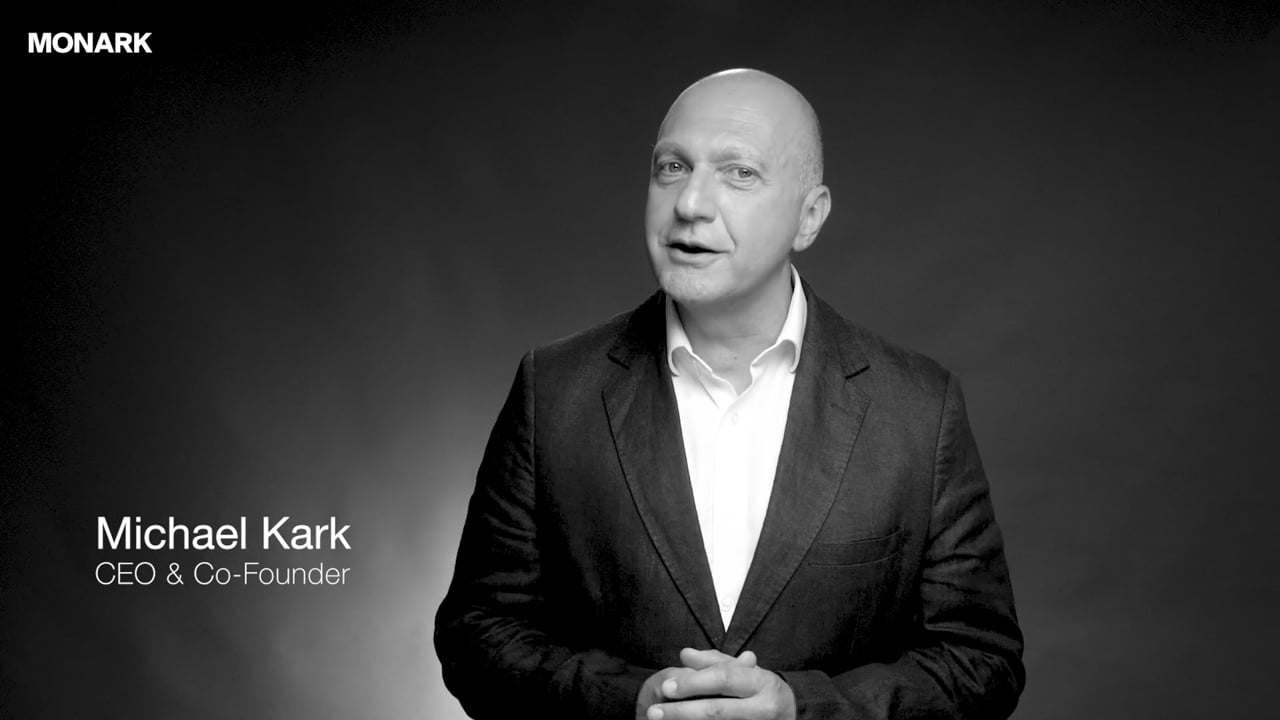 Watch Michael, 1:33
The longer version of what went wrong and how it was fixed is in see how on-camera training rescued a stiff delivery.
What does on-camera training actually cover?
Good training works on the whole delivery, not one habit in isolation:
- Speaking with confidence, so you project authority and clarity.
- Holding your audience, so people keep watching and act on what you say.
- Refining your message, so your key points land with impact.
- Getting rid of stiffness, so you look natural, relaxed and professional.
- Avoiding the common mistakes, so your videos look and sound right.
That last one matters more than people expect. In Michael's case, audio and technical problems were part of what held his early videos back, and no amount of delivery coaching fixes a bad microphone.
How can you get better at presenting on camera on your own?
Start with what you can do today:
- Record a short answer to a question clients ask you. One minute, no more.
- Watch it back once, as a viewer. Would you keep watching?
- Name one specific thing to change. "More energy in the first line" is something you can act on. "That was bad" isn't.
- Record it again with only that change. Then pick the next thing.
Fixing one thing at a time is slower than it sounds and faster than it feels. If your delivery goes flat the moment you hit record, learn to speak on camera with confidence, and if the nerves are the problem, build real camera confidence as a trainable skill.
The reason coaching gets there faster is the feedback. Someone watching your delivery can tell you which one thing to change next, where on your own you tend to judge the whole take instead. For the wider picture of messaging, performance and setup, get confident on camera.
Presenting on camera: questions we get asked
How can I get better at presenting on camera quickly?
Get focused coaching on your own delivery, recorded and played back. Michael Kark went from stiff and scripted to natural and confident in one 90-minute on-camera training session.
Why do I sound scripted on camera?
Usually because you're reading words rather than talking to a person. Training on delivery and message structure helps you sound like yourself, even when you're working from a script.
What does on-camera training include?
Confidence and presence, holding your audience, refining your message, removing stiffness, and avoiding the technical mistakes, like poor audio, that undermine an otherwise good video.
Can I improve on camera without a coach?
Yes. Record short videos, watch them back, and change one specific thing each time. A coach speeds that up by telling you which thing to change next.
Want help with your own delivery?
If you'd like someone to work on how you come across on camera, alongside what you say and how you record it, book a call with Ridge Films.
Where to start
Desktop StudioInstalled for you. One click to record. Video CoachingMessaging, performance, tech and implementation, worked live every week.Two halves of one system. Book a call and we will work out where to start.