
How to Create Video Content Consistently as a Business Owner
Oct 29, 2026
To create video content consistently while running a business, book the same recording slot every week and treat it like a client meeting. Make recording quick enough that setup never eats the slot, keep each video small enough to finish in it, and have someone expecting to see it. Motivation runs out; a booked slot keeps going.
Key takeaways
- Video goes quiet in busy weeks because it relies on motivation, and motivation drops first when the business gets busy.
- Give recording a fixed day and time in your diary, the way Ridge clients book theirs on a Friday or a Wednesday morning.
- Cut the setup to seconds, so the slot is spent recording rather than getting ready to record.
- Keep each video small: one question, one update, one short message you can finish in the time you have.
- Someone expecting your video each week, a coach, a team or a group, is what carries you through the weeks you'd rather skip.
Why does video go quiet when the business gets busy?
Because it is usually the only task in the week with no deadline, no client waiting and no time attached. When something has to give, it gives. A business owner we spoke with this year summed up their own video in three words: "very sporadic".
Chris puts the cause plainly in his masterclass:
"When video relies on motivation, you'll always stop when motivation drops." Chris Schwager
It also explains why buying gear alone rarely fixes it. In our experience, clients who bought equipment on their own often left it unused. A rhythm decides when you record before the busy week arrives.
When should you record your videos?
At the same time every week, booked in the diary. Ridge's coaching workbook says it in one line: "If it's not scheduled, it won't happen." The clients who keep going have a slot they don't negotiate with.
- Sonia Majkic runs a marketing agency. Every Friday is content day, and when she started, she had to show up every Friday at 11am with the script ready to go.
- Andrew Zbik is a financial adviser. He films on the first Wednesday of every month, after the Reserve Bank meets, and the edited update goes out to his clients in his newsletter the same day.
- Tara Sharma runs a recruitment firm. Every Thursday her team picks the week's themes and records two quick videos, and that is their LinkedIn content for the week.
Hear Sonia explain how she built the habit, from 16:02 in her interview with Chris:
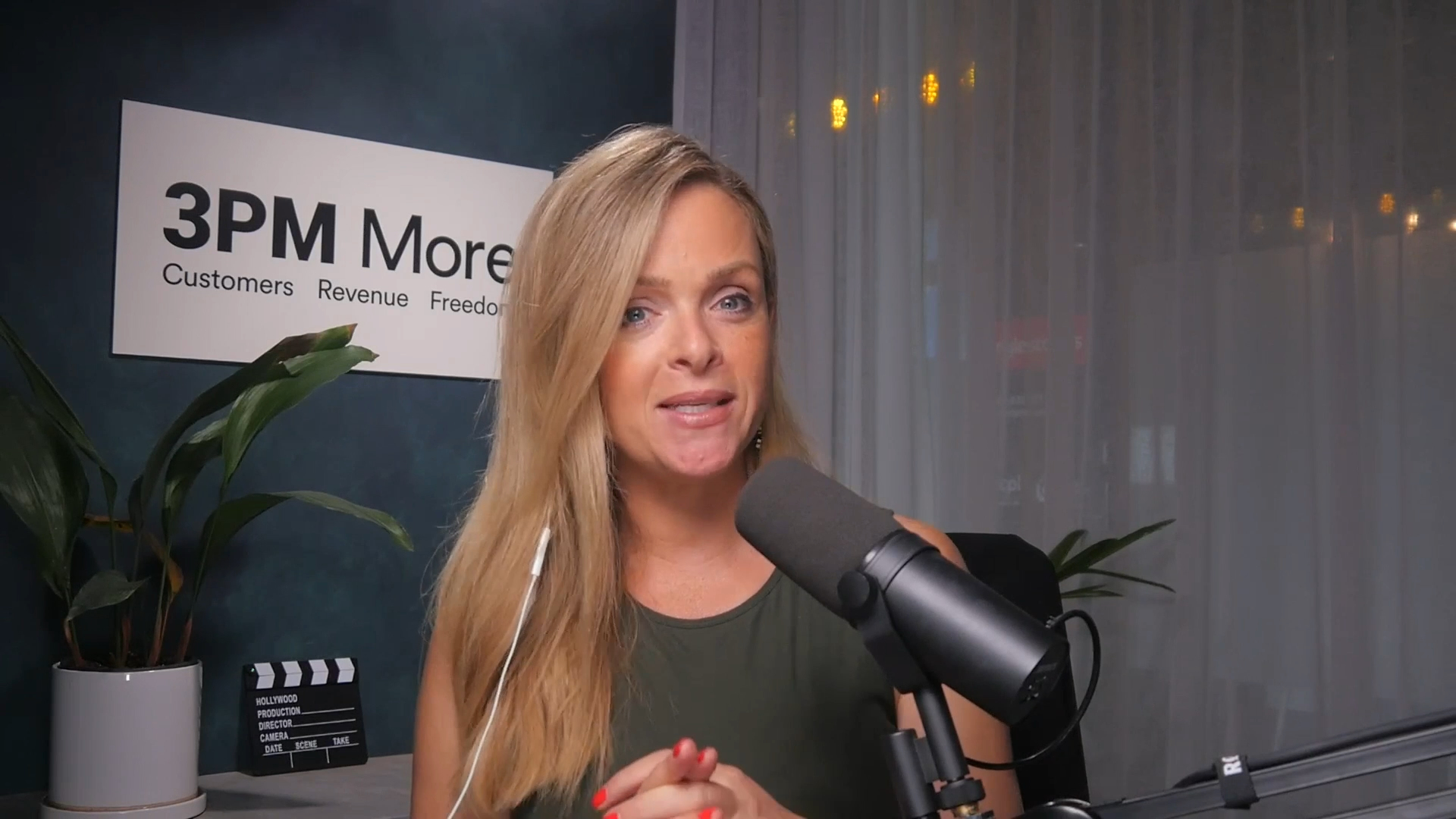
Her story is in how one marketing leader ended her video delays.
How do you make recording quick enough to fit the slot?
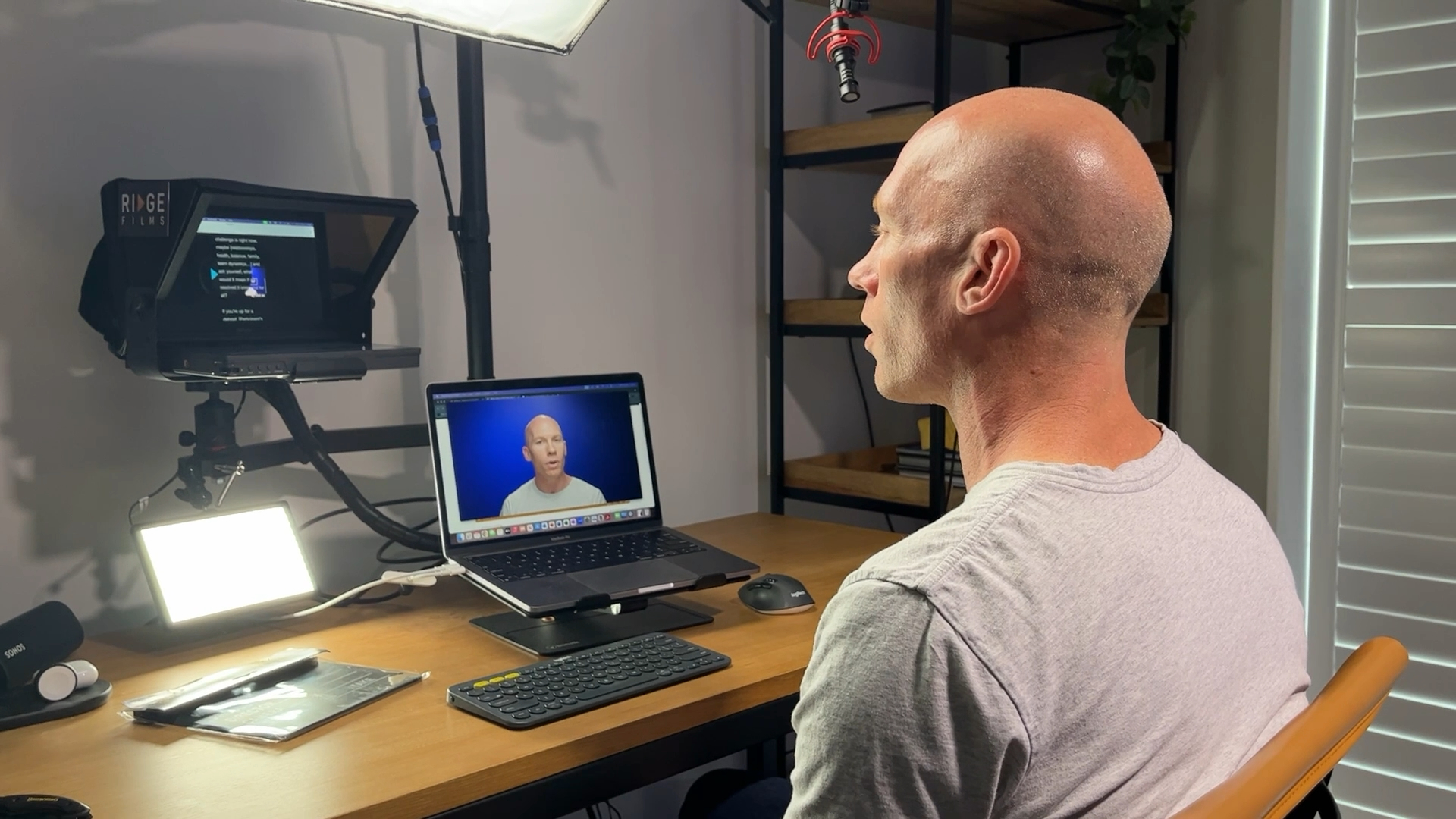
Take the setup out of it. If every session starts with lights, framing, a mic that needs charging and a test recording, the slot is gone before you've said anything useful. Andrew's monthly newsletter video used to mean a long process of setting up and editing it himself. Now he describes it like this:
"The big difference now is literally with a flick of a switch in under 30 seconds, I can have a complete studio set." Andrew Zbik
When news breaks, he spends about 15 minutes deciding what to say, walks into his studio and records. Read more in how one planner saved 16 hours a month with a Desktop Studio.


If you would rather record several videos in one sitting, that works too, as long as the sitting is booked. The trade-offs are covered in batch filming content without burning out.
What should you record each week?
Something small enough to finish. A weekly habit dies fastest when every video has to be a production. Good weekly material is already in your business:
- A question you answered this week. If one client asked it, others are wondering.
- A short update when something changes. Andrew's clients get a quick two-minute video from him on a big news day, because he can't ring 70 people.
- Something you already present. Sonia runs a monthly masterclass for her clients and reuses the recordings to build evergreen funnels.
Video also doesn't have to live only on social media. Putting it into sales, onboarding and support is what keeps it useful when posting feels like a chore, which is the idea behind a video schedule that avoids burnout.
Who keeps you accountable when you'd rather skip it?
Someone who expects to see the video. Sonia is clear that accountability came first and the habit followed:
"I think the habits can come from accountability initially, and then once they're formed away you go, it becomes your second nature." Sonia Majkic
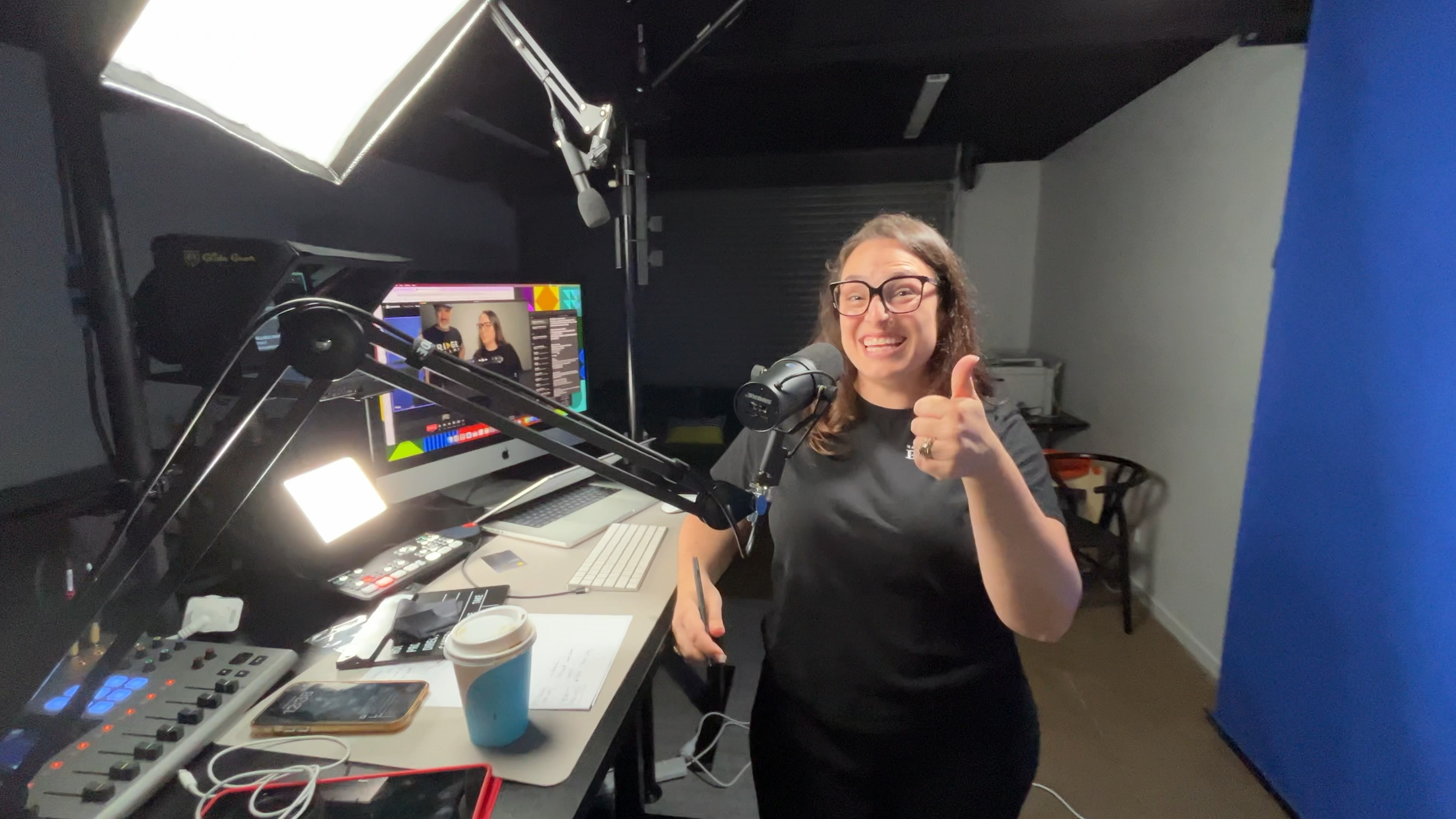
Tara found the same with her team: done together on a Thursday it happens, and left to everyone at home it never would. Ridge runs its own coaching on the same principle. The Video Confidence Collective meets live every Tuesday, and the workbook asks members to block two hours a week, one to learn and one to do.
What if you miss a week?
Pick it up the next week and don't make it bigger than it is. Chris's advice to clients who promise themselves videos and fall short is to realign rather than beat themselves up over what didn't get done, and to look at what went right.
Once the habit is real, missing it starts to feel wrong. Sonia describes that point: "You start to feel the void. Like, I haven't recorded a webinar in three weeks." That itch is the habit working. To map out where all your videos should sit, start with how to set up a workflow that works.
Questions about staying consistent with video
How do I stay consistent with video content?
Book the same recording slot every week, make setup take seconds, keep each video small enough to finish in that slot, and have someone who expects to see it. Consistency comes from the routine, so build the routine first.
What is the best day to record business videos?
The day you will actually keep. Ridge clients have settled on Friday, Thursday and the first Wednesday of the month. What matters is that it is fixed and in the diary.
How much time does a weekly video habit take?
Not much, once setup is out of the way. Ridge's coaching workbook suggests a two-hour block each week, one hour to learn and one to do, and a short video can take minutes to record.
Why do I keep stopping and starting with video?
Usually because recording depends on how motivated you feel that week. A fixed slot, a fast setup and someone expecting your video take that decision out of your hands.
Which of these sounds like you?
"Setting up takes so long I end up not recording." That is what the Desktop Studio removes. Installed for you, one click to record.
"I've got the gear, I just don't keep it up." That is what Video Coaching is for: messaging, performance, tech and implementation, worked live every week.
"Honestly, both." Book a call and we will work out where to start.

Where to start
Desktop StudioInstalled for you. One click to record. Video CoachingMessaging, performance, tech and implementation, worked live every week.Two halves of one system. Book a call and we will work out where to start.