
How to Get Comfortable on Camera When You Hate How You Look
Oct 29, 2026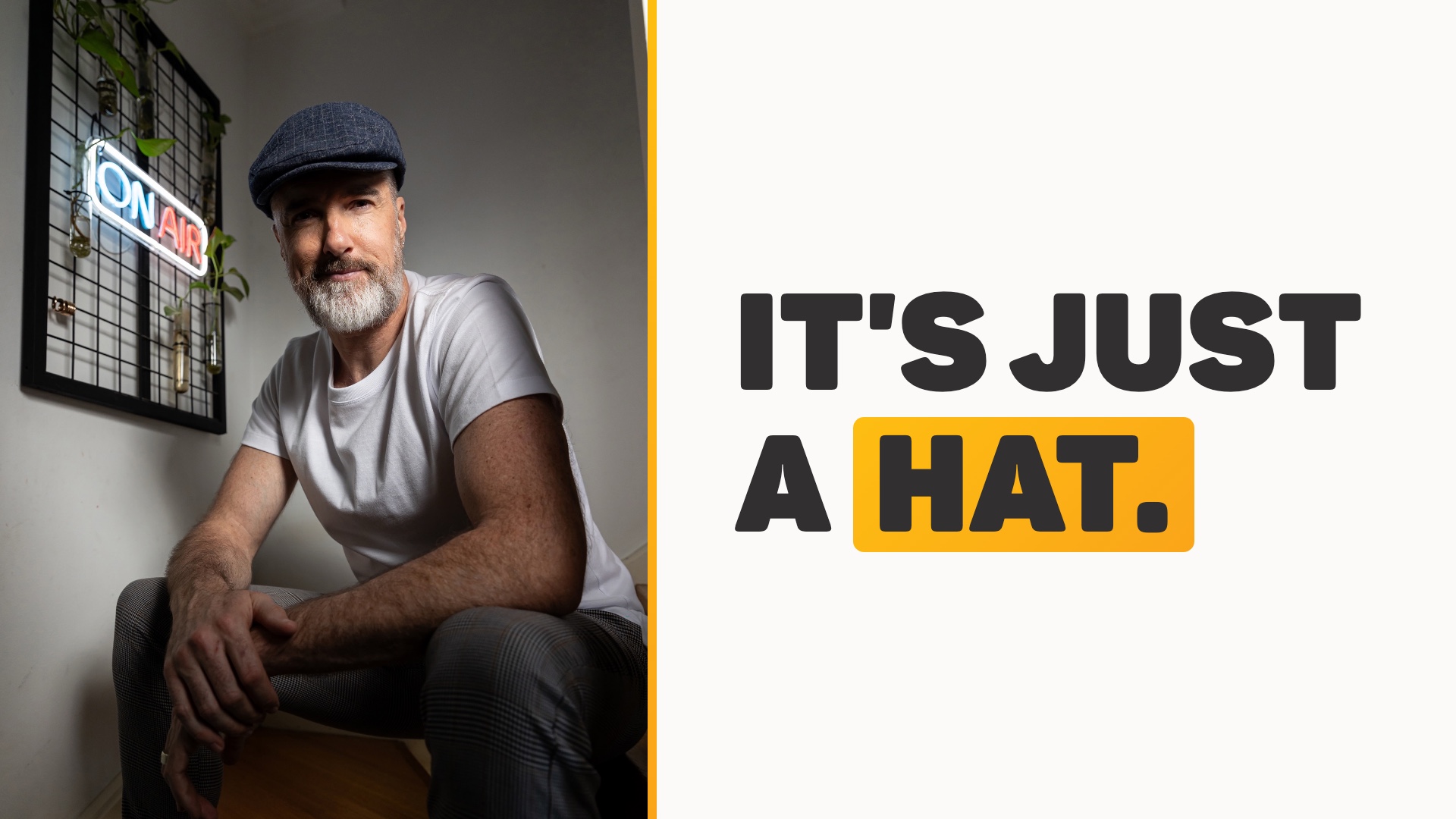
To get comfortable on camera when you hate how you look, stop treating your own reaction as the verdict. Fix the light so the camera shows you accurately, smile before you speak, judge each take on what you can change, and record again. The discomfort fades through repetition, and waiting to feel ready keeps it in place.
Key takeaways
- Hating how you look on camera is common, and it is usually a story you tell yourself. Your audience is listening to what you say.
- A poor webcam and bad light can make you look worse than you do, so fix the picture before you judge yourself in it.
- Start every take with a big, deliberate smile before you say a word, because it changes your energy and how you come across.
- Judge a take on something you can act on, such as speed or tone, and never on "that was terrible".
- One video is temporary, like a hat you can take off. Comfort comes from recording again, and waiting until you feel ready keeps you stuck.
Why do you hate how you look on camera?
Because you are the only person in the room watching for flaws. Your viewer is listening for what you have to say. You are checking your skin, your weight, your hair and your voice, and every one of those checks feels like evidence.
You are not alone in it. One business owner told us his weight and his skin had stopped him putting his face on camera, more than confidence ever had. Another said that when they watch themselves back, they judge everything: the voice, the delivery and how they look.
Byron Trzeciak used to sweat and get flustered in the half hour before recording, and reckons he recorded some of his early videos 30 times and still thought they were bad. Looking back, he names what kept him stuck:
"I hate how I look. Yeah. It's a lie that you keep telling yourself every single day." Byron Trzeciak
Hear Byron say it, from 27:10 in his interview with Chris:
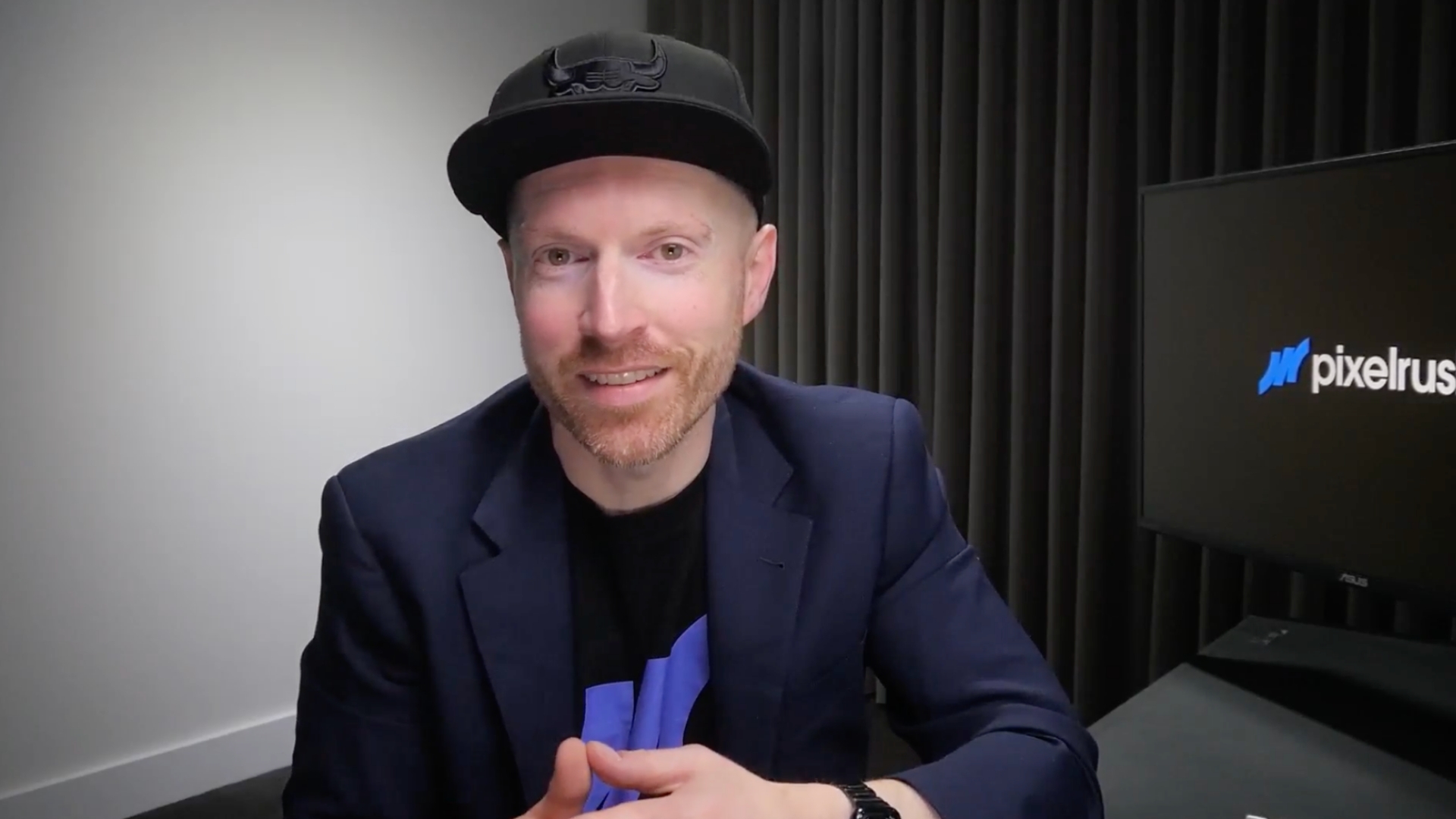
Byron now shows up in his agency's ads, on his website and across social. His full story is in how Byron added $300K with video.
Is it how you look, or how the camera sees you?
Often it is the camera. A laptop webcam sitting below your face, a window behind you and flat overhead light will make anyone look tired. You then judge yourself on a picture that was never accurate in the first place.
Byron described what changed for him: with the coaching and the right kit, he could look at himself on camera and finally feel he was seeing a truer version of who he is. Fix the picture first, then decide how you feel about it.
What should you do before you say a word?
Smile, on purpose, before the first line. In his live coaching Chris calls it the default state: a big, forced smile the moment you start recording. Without it you read as concerned or confused and your posture drops. With it, your energy lifts and you break your own pattern, so whatever happened five minutes ago stays out of the take.
It will feel fake. Do it anyway. Byron called that simple smile mechanic one of the biggest things he took from his coaching, because of how different it made him feel on camera. There is more on it in the conscious smile that warms up your on-camera presence.
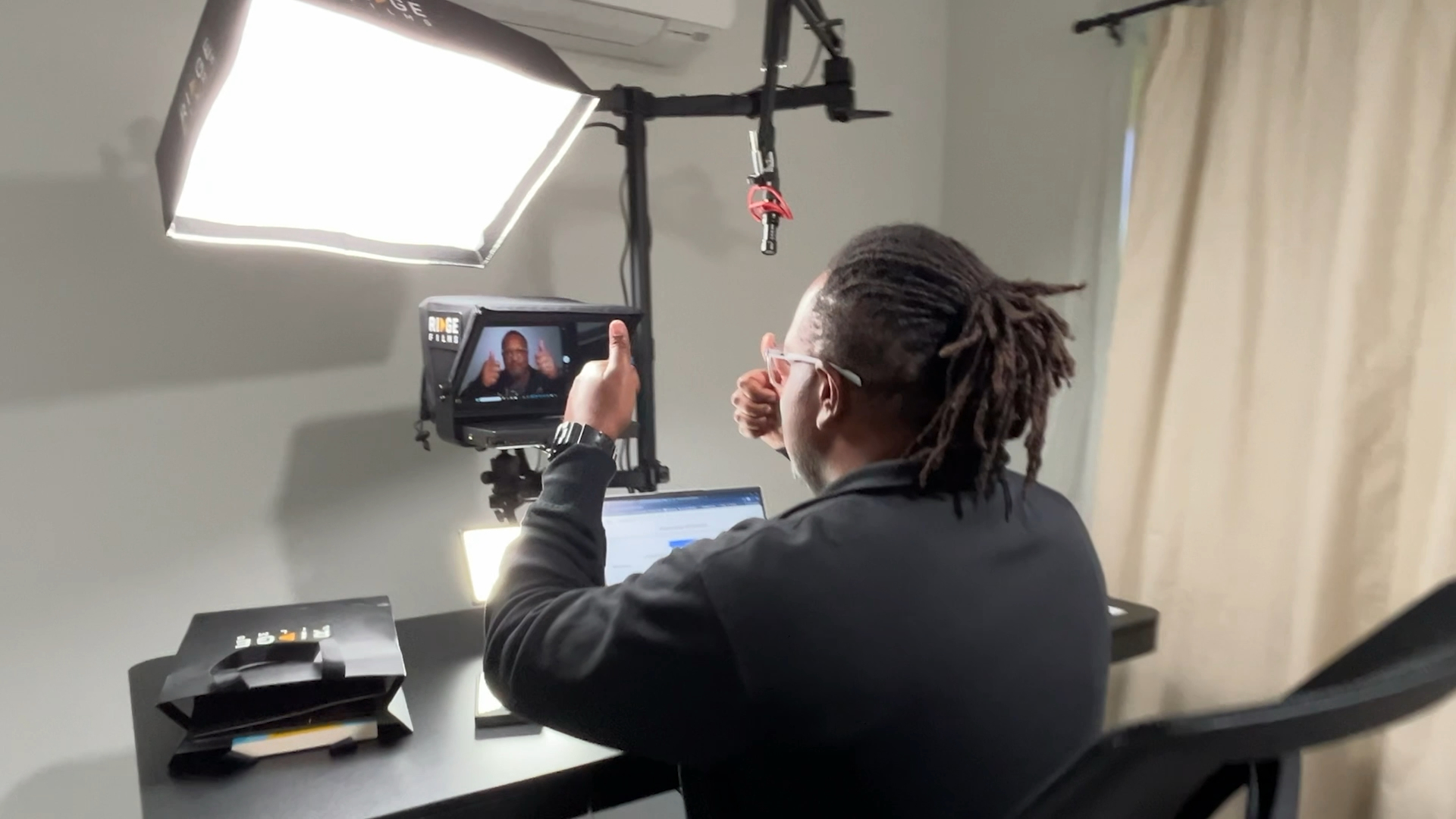
How do you watch yourself back without tearing yourself apart?
Swap the verdict for a specific note. "That was crappy" gives you nothing to do. "I could have used more tone there" does. Chris coaches people to review a take on five things: body language, speed, tone, energy and cadence. Those five words turn a feeling into a fix.
Your sense of how it went is often wrong, too. In one live session Chris pushed a volunteer to read faster, then asked the room who thought it had been too quick. Only one hand went up, and it was the volunteer's. As Chris put it, "Nobody's telling me that it's too quick, except you."
Speed helps with appearance as well. When you are slow and flat, the viewer has time to look at the cracks in the performance instead of listening to you. For the delivery side in more detail, read how to speak on camera with confidence.
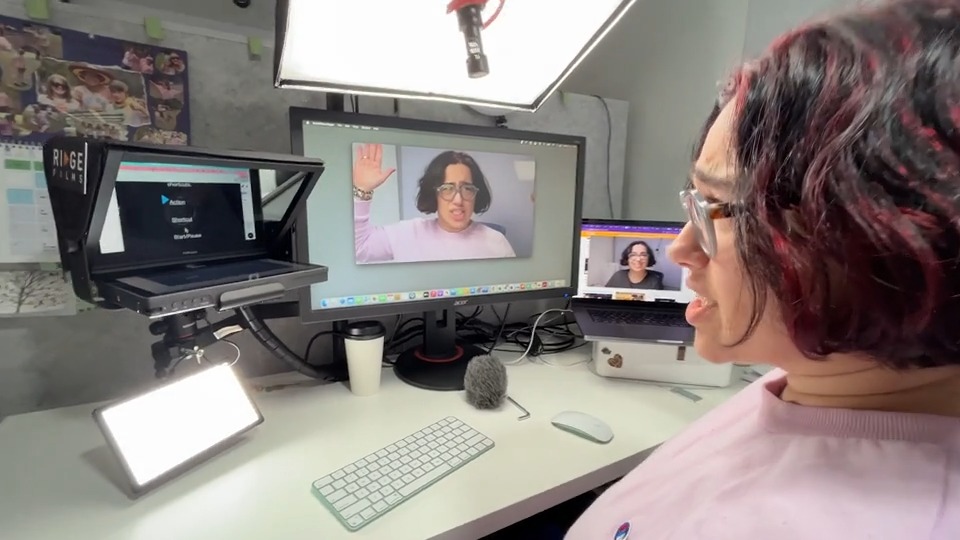
Why does Chris call one video "just a hat"?
Because most people treat a video like a tattoo, as if one imperfect take will stay with them forever. Chris uses three levels. A hat is temporary: take it off. A bad haircut is uncomfortable for a few weeks, then it grows out. A tattoo is permanent. At worst, a video is a bad haircut. Most of the time it is just a hat.
One of our coaching members, a few months into weekly coaching, described getting over "the judgment of what I look like" and how the idea helped:
"It's sort of like that, I suppose your analogy of like it's just a hat. Like just put it, put it on, do it, forget about it, and then move on to the next thing." Video Confidence Collective member
Her focus moved off her own face and onto the people her videos are for, which is exactly where the viewer's attention already was.
Does the discomfort ever go away?
It shrinks, but only by doing the thing that causes it. Chris treats discomfort as the measure that you are improving. When a volunteer once told him he felt great before his first teleprompter read, Chris replied: "Alright, we've got some work to do then."
Byron put the long view plainly: a few videos will make you a lot more comfortable, and feeling really confident comes from continuous practice and feedback. Chris warns that if you stop for three months you won't pick up where you left off, which is why a regular rhythm matters more than one big push. If freezing is the bigger problem for you, read how to overcome camera shyness for good, and for the full coaching approach, see how to get confident on camera.
Questions people ask about hating how they look on camera
Why do I hate how I look on camera?
Because you watch for flaws your viewer isn't looking for, and a poor webcam or bad light often makes you look worse than you do. Fix the picture, then judge the take on something specific you can change.
Should I smile on camera even if it feels forced?
Yes. Start every take with a big, deliberate smile before you speak. It lifts your energy and stops you looking concerned or confused before you have said a word.
How do I stop judging myself when I watch my videos back?
Review each take on five things: body language, speed, tone, energy and cadence. Pick one to improve on the next take. A specific note can be acted on; a general verdict can't.
Will I ever feel comfortable on camera?
More comfortable, yes. It comes from repetition and feedback, so waiting until you feel ready usually means waiting forever.
Which of these sounds like you?
"I avoid the camera because I don't like how I look on it." That is what Video Coaching is for: messaging, performance, tech and implementation, worked live every week.
"I'd feel better if the picture actually looked good." That is what the Desktop Studio fixes. Installed for you, lit properly, one click to record.
"Honestly, both." Book a call and we will work out where to start.

Where to start
Desktop StudioInstalled for you. One click to record. Video CoachingMessaging, performance, tech and implementation, worked live every week.Two halves of one system. Book a call and we will work out where to start.