
Make Your Small Business Look Professional to Big Clients
Oct 30, 2026
A small business looks professional to bigger clients when every place they meet you looks deliberate: a clear website, proposals built around their problem, replies within the day, and how you look and sound on calls and video. Big clients judge your capacity from small signals, so fix the ones they see most often first.
Key takeaways
- Bigger clients judge whether a small business can deliver from small signals, long before they see the work.
- Your website, proposals, response times and how you show up on calls all count, and the first fixes cost an afternoon of your time.
- How you look and sound on camera is now part of that first impression, because much of the early relationship happens on calls and video.
- Sam Moses of Sockrates says he stopped feeling like the smaller player once his video matched the deals he was pitching.
Why do bigger clients judge small businesses so quickly?
Because they're managing risk. A larger client hiring a small firm is asking one question underneath everything else: will this business still deliver when it gets hard? They can't see your delivery yet, so they read the signals they can see. A broken link, a proposal with someone else's company name left in it, three days to answer an email. Each one is small. Together they tell the buyer how you'll handle their work.
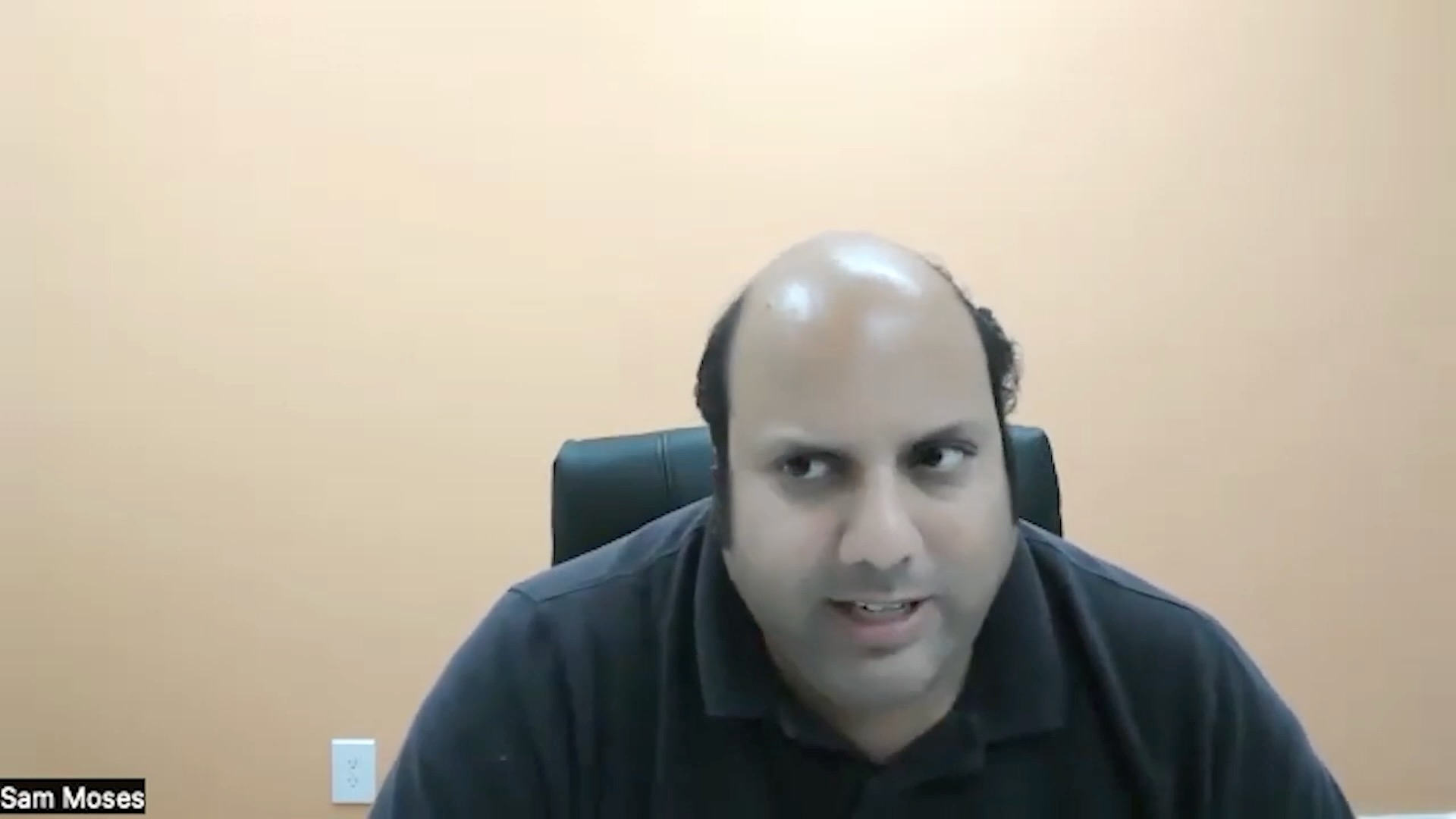
Sam Moses runs Sockrates, a custom sock company that supplies branded socks to businesses for trade shows and giveaways. He was pitching deals of $15,000 to $20,000 to senior executives over video, and he could see what his own picture was telling them:
"I think it's kind of like a tell... you kind of like a small company or you're not really professional. You don't have your act together." Sam Moses
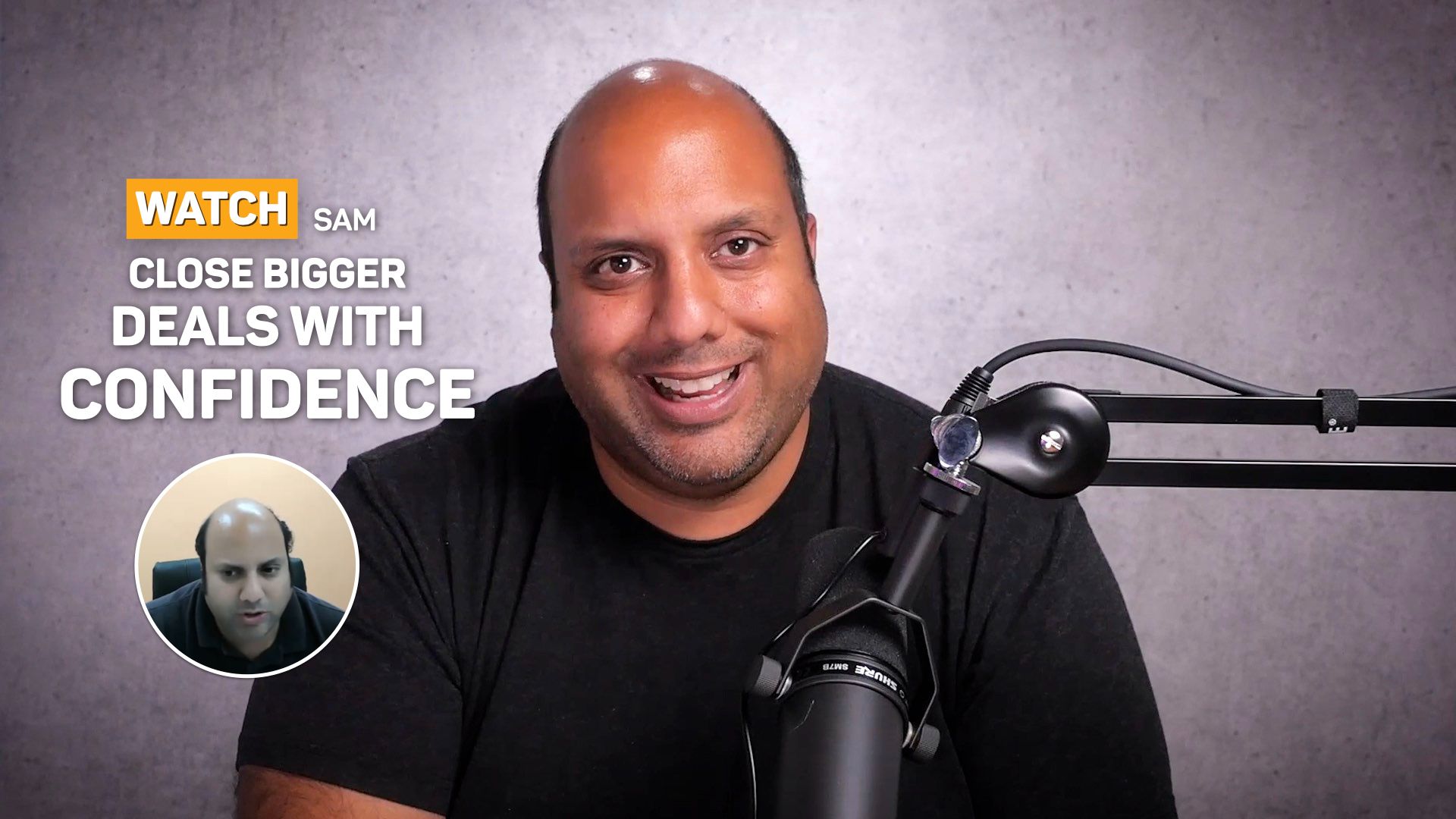 Watch from 1:04
What can you fix this week without spending much?
Give this an afternoon. Start with the places a new client meets you first.
- Your website. One clear page for each service, who you work with, real names and faces on the team, and a contact page that works on a phone. Remove anything out of date. An email address on your own domain reads very differently to a free one.
- Your proposals. One template, used every time. Open with the client's problem in their own words, then your plan, then the price stated plainly. Check every name and figure before it goes.
- Your response time. Reply to every enquiry the same day, even if the reply is only when they'll hear from you properly. Big organisations notice who comes back to them, and how fast.
- Your proof. Named examples of work like theirs, with the client's permission. A real name and a real result beat a page of adjectives.
- Your meetings. Send an agenda, start on time, and follow up in writing that day with what was agreed. That habit alone puts you ahead of plenty of larger firms.
Does how you look on camera matter to a big client?
More than it used to, because so much of the early relationship now happens on a screen. The first meeting is often a video call, the webinar is how they first hear you, and the clip on LinkedIn is how they remember you. If the picture is dim and the sound is hollow, that becomes the impression, however good the work is.
It shows up most when a business grows. The laptop webcam that was fine for small customers starts to look out of place once the person on the other end runs a much bigger organisation, and plenty of owners quietly stop making video at that point rather than put up something they're not proud of.
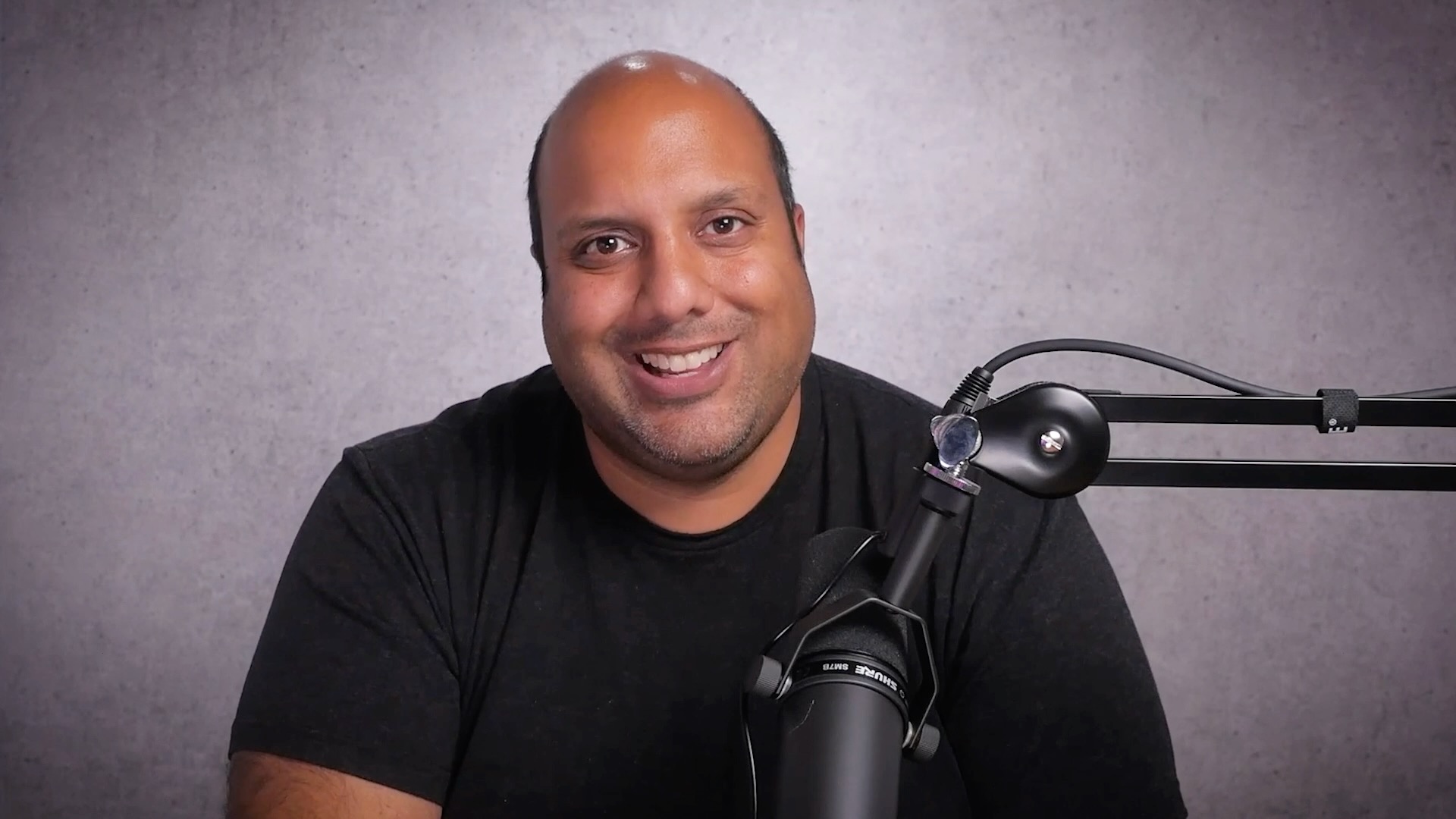
You can improve a lot yourself: face a window, raise the camera to eye level, use a separate microphone and clear the wall behind you. Our guide on how to look professional on Zoom and Teams calls walks through the settings and the order to fix things in.
What changes when you look the part?
You stop apologising for yourself before you've said anything. Sam describes what pitching bigger companies felt like before, and what changed:
"I'd go on these calls and I'd be a little intimidated because they were senior or they were just bigger than us... ever since it's kind of like, you know, I go on and they're talking about how great my video is." Sam Moses
He says it levelled the playing field. He noticed prospects were more willing to give him a second or third meeting, because to them he was clearly running a professional operation. Even his own team looked at him differently. Read how Sam Moses competes with bigger companies on video.
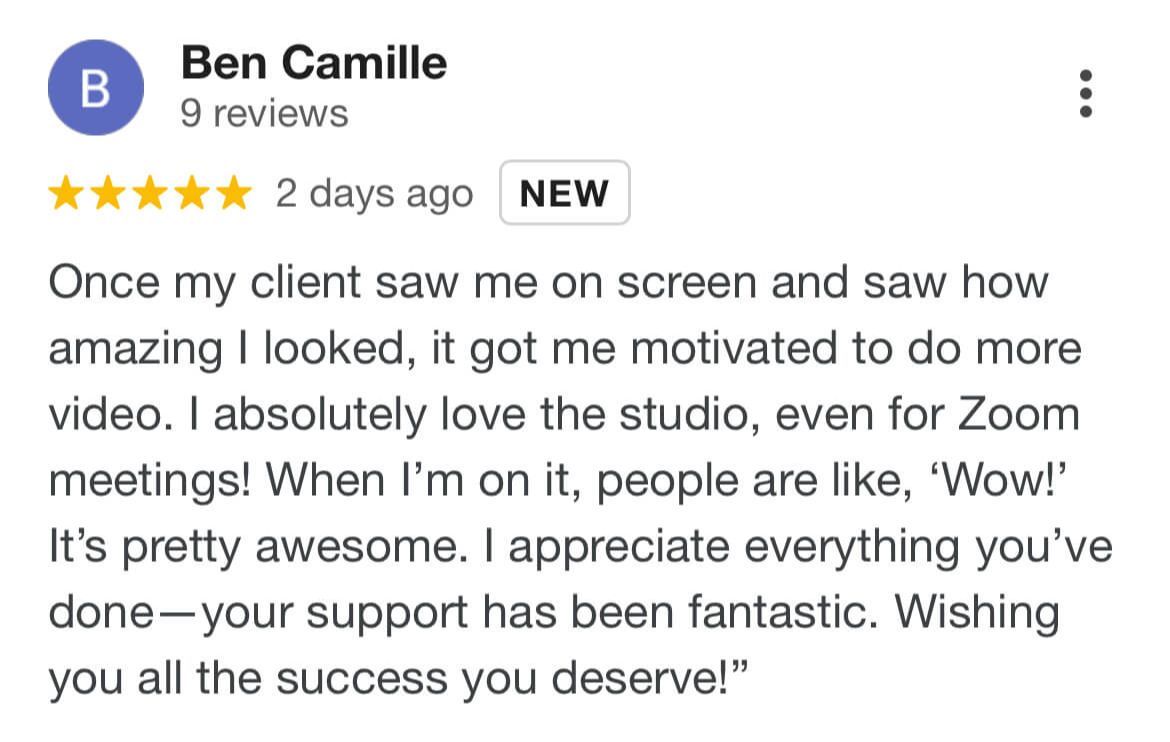
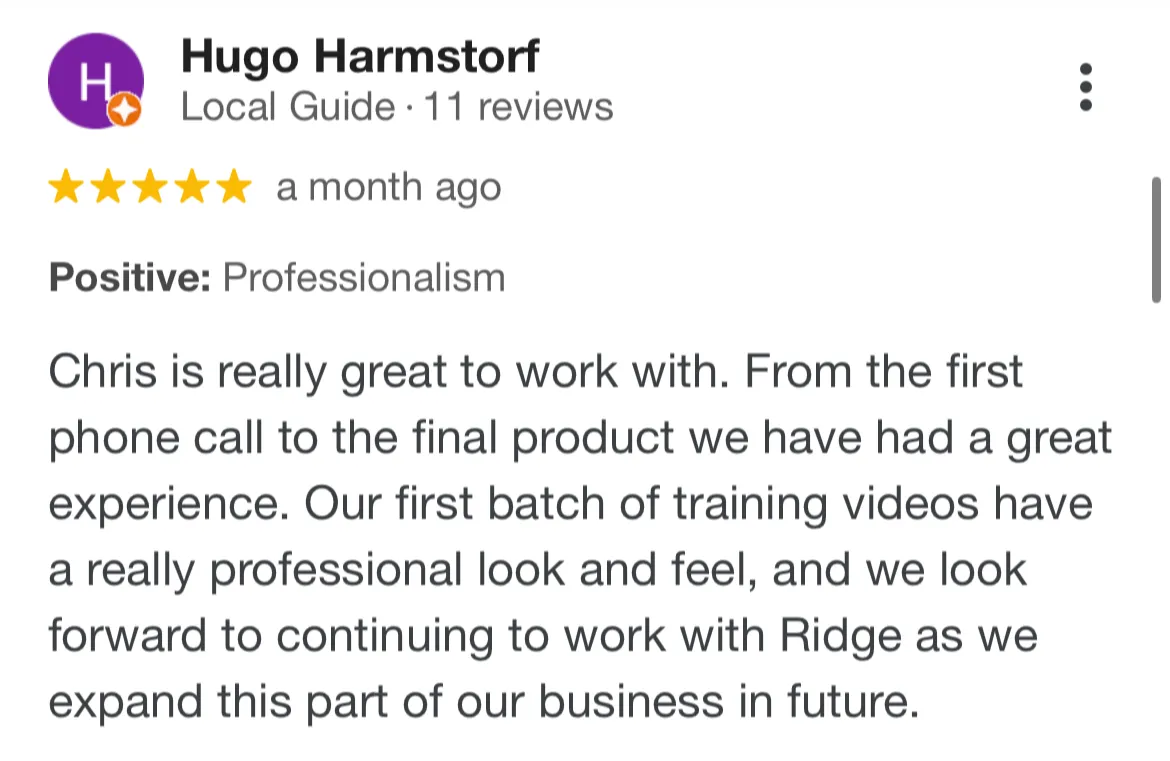
The clients you're pitching notice it too. Ben Camille, a Desktop Studio client, wrote this review about the moment one of his own clients saw him on screen:
What if you'd rather not do all this yourself?
That's a fair position. Plenty of owners want video that looks right without fiddling with it, and have no interest in learning production. Getting there usually stalls on one of four things: knowing what to say, sounding natural saying it, the tech, and making it a habit. Chris calls them messaging, performance, tech and implementation, and a new camera only fixes one of them.
If you want the wider case first, see why video matters for your business.
Looking professional to bigger clients: questions we get asked
Does a laptop webcam make my business look small?
It can. A dim, grainy picture with poor sound is one of the first things a senior buyer notices on a call, and our client Sam Moses calls it a tell that you are a small company. Facing a window, raising the camera to eye level and using a separate microphone fixes most of it. A permanent desk setup takes the problem off the table for good.
How do small consultancies win work with big companies?
By lowering the perceived risk of hiring them. Big buyers want proof you can deliver: named examples of similar work, a clear way of working, fast and reliable communication, and a first impression on calls and video that matches the size of the job.
What is the quickest way to make my business look more professional?
Fix the touchpoints a new client sees first. Tidy your website's services and contact pages, use one proposal template that leads with the client's problem, answer every enquiry the same day, and sort out how you look and sound on video calls.
Do I need a big budget to look professional?
No. The first fixes cost you time: clearer words on your site, a better proposal template, faster replies and better light on calls. Spend money where it is seen most, which for many small businesses is now the camera.
Where should you start?
With whatever a big client sees first. For most small businesses that's the website and the reply to their enquiry, and the very next thing is a video call. If your work already stands up and it's the call that makes you look smaller than you are, that's the part we can help with. We install a studio on your desk that turns on with one switch, and coach you on what to say and how to say it.
Book a call and tell us who you're trying to win. We'll tell you honestly whether your camera is what's holding you back.

Where to start
Desktop StudioInstalled for you. One click to record. Video CoachingMessaging, performance, tech and implementation, worked live every week.Two halves of one system. Book a call and we will work out where to start.