
Should the Founder Be the Face of the Company?
Oct 30, 2026
No. A founder doesn't have to be the face of the company, and nobody needs to become an influencer. But if clients are buying your judgement, as they are in most professional services, they want to see and hear the person before they trust them. A few short videos answering their real questions usually covers it.
Key takeaways
- A founder doesn't have to be the face of the company, and being visible is a different job from being an influencer.
- It matters most when clients are buying your judgement, because they want to see and hear you before they trust you.
- It matters less when people buy a product, a brand or a team they deal with directly.
- Short videos answering the questions you hear every week do more than a personality brand ever will.
- If it can't be you, pick the person clients actually deal with and give them the camera.
When does the founder need to be the face?
When the thing a client is buying is you. An adviser, a consultant, a coach, an agency owner, a specialist firm of ten: the buyer is weighing up your thinking, your standards and whether they can work with you. They will check before they call. If all they find is a logo and a list of services, they have nothing to trust yet.
Mike Mortlock runs MCG Quantity Surveyors, and he calls himself an introvert. When the business started, they didn't put their faces or even their names on the About page. They didn't want to look like the real estate agents grinning from every bus stop. It didn't last:
"But we soon realise that people want to have relationships with people rather than businesses or brands." Mike Mortlock
His proof is how referrals now sound. A friend needs a depreciation schedule and gets told to give Mike a call. Asked where he's from, the answer is "It's just Mike." His full story is in Mike Mortlock’s quantity surveyor case study.
When does it matter less?
Mike says it himself: it might be different if you're Apple. The founder matters less on camera when:
- People are buying a product. A good product page and honest reviews carry more weight than your face.
- Clients deal with someone else. If an account manager or a senior consultant runs the relationship, they are the face that counts.
- You are planning to step back. If you want to sell the business or stop being the bottleneck, building every relationship around you works against you.
Even then, somebody real has to be visible. Buyers still want to know who they will be dealing with. The question is only whose face it is.
Is being visible the same as being an influencer?
No, and mixing the two up is why so many good operators stay hidden. A business owner put it to us on a call recently: he isn't trying to be an influencer, he just wants people to know they're dealing with someone they can trust. That is a different goal with a much smaller workload.
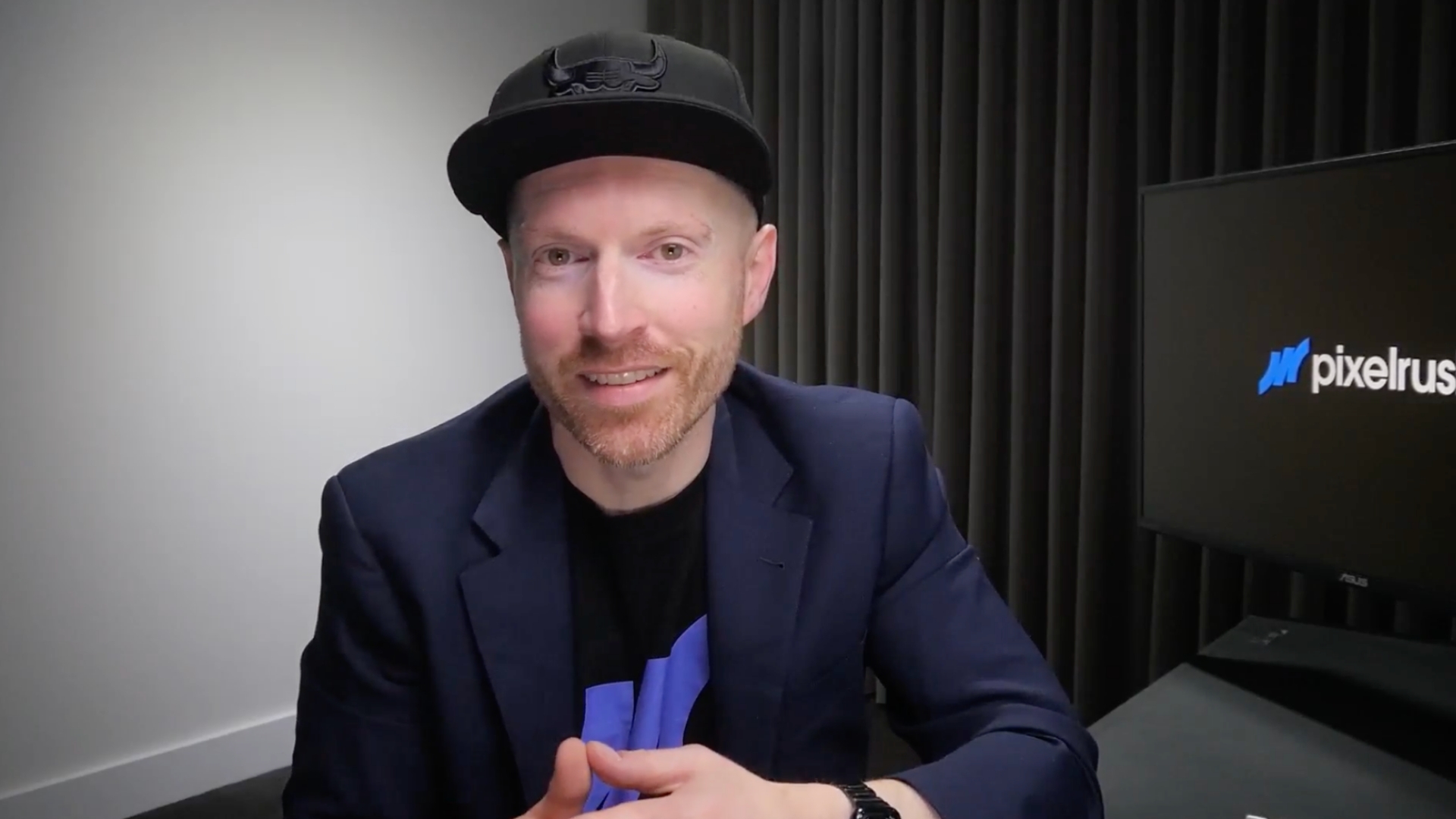
An influencer needs a following. You need the right few people to watch you before they buy. Byron Trzeciak runs PixelRush, a digital marketing agency, and he is clear about which one he is:
"So I'm not a social influencer in any way. You know, I don't have a big following or anything." Byron Trzeciak
Yet prospects were turning up to calls with his head of sales quoting things he'd said, because they had watched five to ten of his videos first. He describes himself as anything but an extroverted, egotistical type, and says he's not fuelled by having a million followers. Hear it from 12:24:
 Watch from 12:24
Read how Byron added $300K with video.
What if you’d rather not be on camera?
You still have good options. Pick the one that fits how your business actually sells:
- Answer questions, skip the personality brand. Write down the five questions you hear in every first meeting and answer each one in a short video. Skip the morning routine and answer the thing they're worried about.
- Put the videos where buyers look. Your About page, your service pages and the email someone gets after they book. A social feed is optional.
- Share the camera. If a partner or a senior team member runs client relationships, they can be the face, or you can split it between you.
- Keep it short and regular. A two-minute answer recorded each week beats a polished brand film that takes six months.
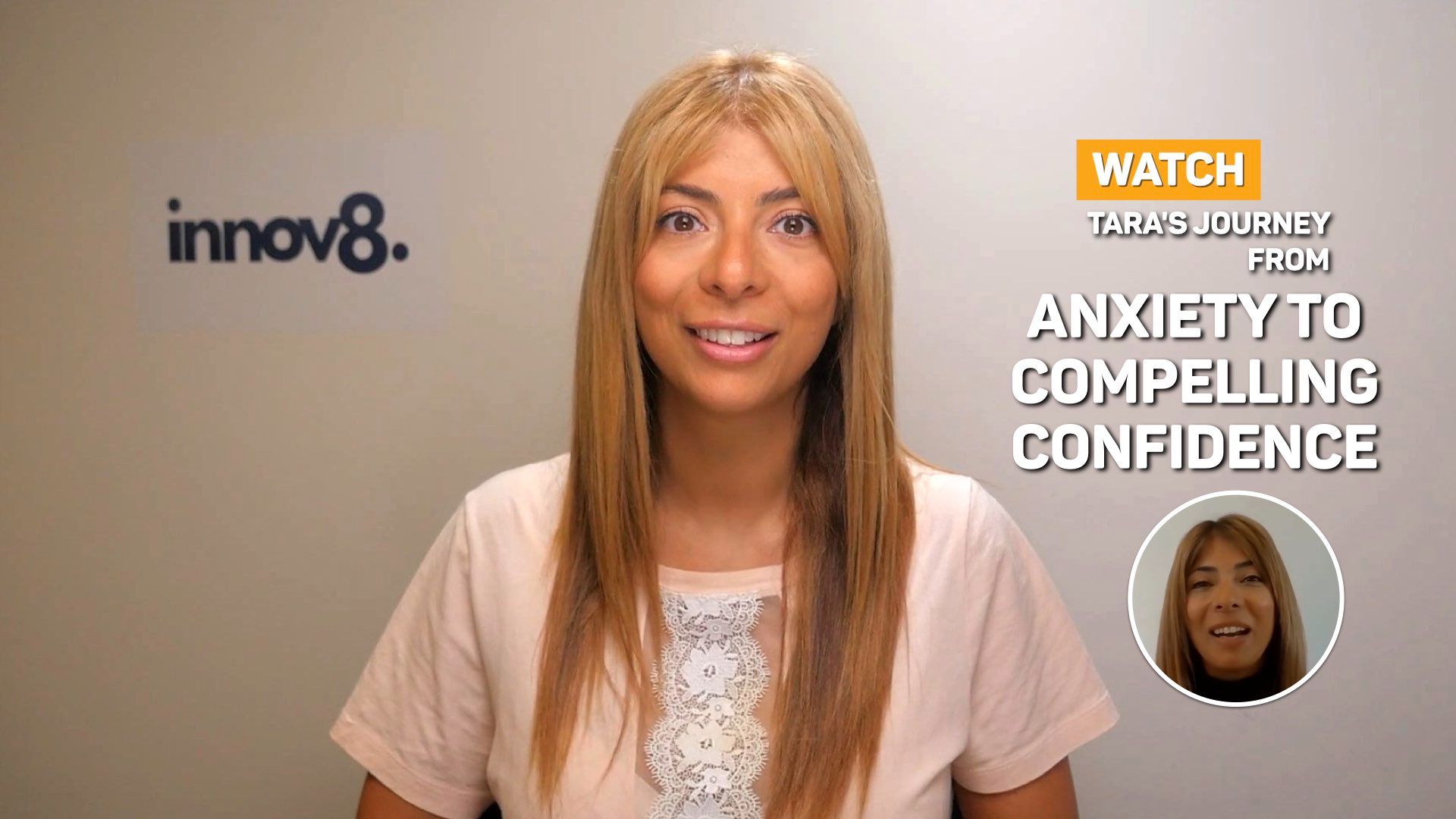
Recruiter Tara Sharma took the shared route. Getting a team to do video, she says, can be really hard. Now hers just does it: outreach to clients and candidates and their video ads are all recorded on their studio.
If the real problem is that you hate how you look on video, that is fixable too: see how to get comfortable on camera when you hate how you look.
What did it look like at Ridge Films?
Chris didn't set out to be the face of the business either. By 2022 he was already in the marketing and the demonstrations, and people kept asking to deal with him directly. So he took on studio sales himself, on top of everything else. He didn't enjoy it and it was well outside his comfort zone. The market made the call: clients wanted him, as well as the offer.
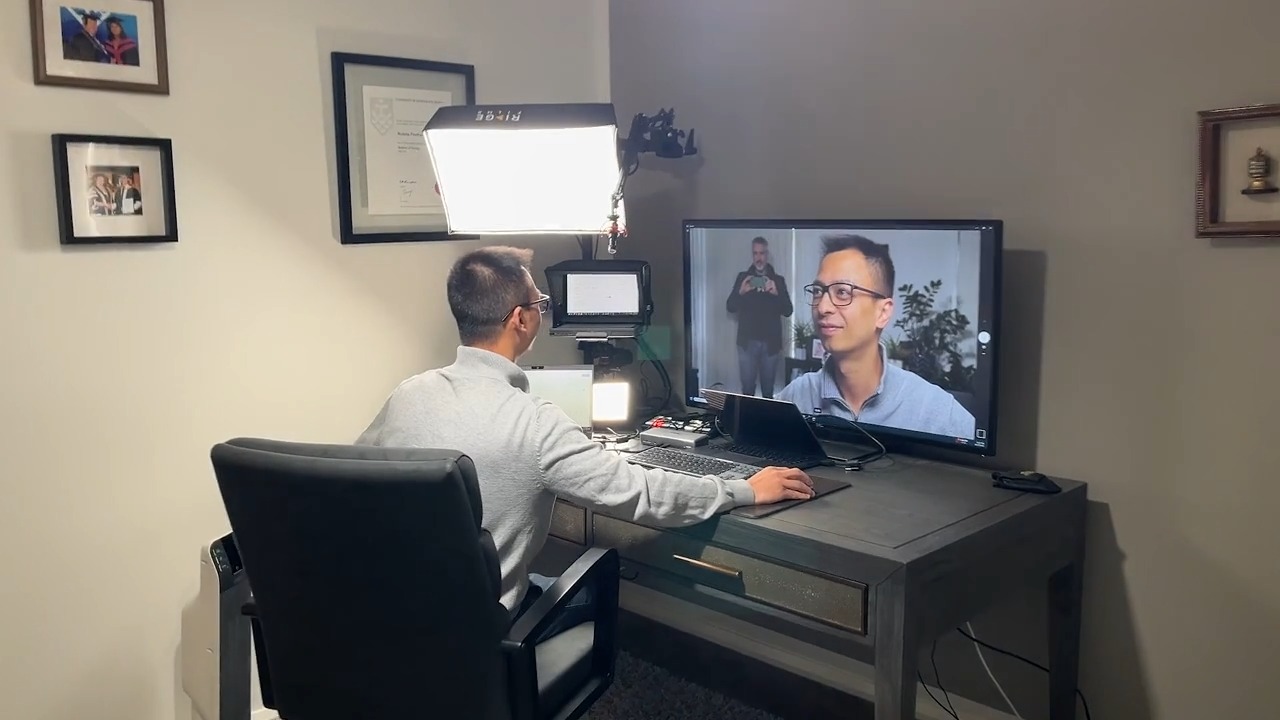
That is the pattern worth knowing. Once you are the person clients want, you can fight it or make it easy on yourself. Making it easy means a set-up you can record on in minutes and a short list of things worth saying.
Where this fits in a wider plan is covered in our guide to video strategy.
Founder as the face: questions we get asked
Should the founder be the face of the company?
Only when clients are buying the founder's judgement, which is true of most professional services and small firms. If people buy the product, the brand or a team, the founder can stay in the background. Either way, buyers want to see a real person before they trust you.
Can a CEO stay out of the limelight and still lead the company well?
Yes. Leading the company and being its public face are separate jobs. A CEO can hand the visible role to a partner or a senior team member, as long as somebody real is answering the questions prospects ask before they buy.
Can someone else on the team be the face of the business?
Yes, and in larger firms it often works better. Pick the person clients actually deal with. Recruiter Tara Sharma's whole team now records its own client and candidate videos, which spreads the load and puts the right face in front of each relationship.
Do I need a big social media following to be visible?
No. Prospects look you up on your website, LinkedIn and Facebook before they book. Byron Trzeciak says he has no big following, yet people arrive at sales calls having watched five to ten of his videos.
So who should be the face of your business?
Ask one question: who do clients want on the phone before they sign? If the answer is you, be visible on your own terms, with a handful of answers to the questions they already ask. If it's someone on your team, hand them the camera and back them. If you can't tell, the next few enquiries will tell you, because they will ask for somebody by name.
If you want a second opinion on whose face it should be and what they say first, book a call with us.

Where to start
Desktop StudioInstalled for you. One click to record. Video CoachingMessaging, performance, tech and implementation, worked live every week.Two halves of one system. Book a call and we will work out where to start.