On-Camera Presentation: How to Hold Attention on Zoom
Jun 29, 2021An on-camera presentation holds attention when it has more energy than people expect and a tight, written structure. Open with about a minute of scripted, high-energy value, then get straight into the content or the demo, and finish as soon as you've given people what they came for. Short and direct beats long and loose on Zoom.
Key takeaways
- People on Zoom and webinars are tired of flat, long presentations, so energy is what breaks the monotony.
- Good information packaged in a short, tight way delivers more value than the same information spread across an hour.
- Writing your opening down gives it structure, and structure is what lets you be direct.
- A one-minute opener, then straight into the demo, respects people's time and keeps them with you.
- If you finish early, let people go. They'll thank you for it.
What makes an on-camera presentation hold attention?
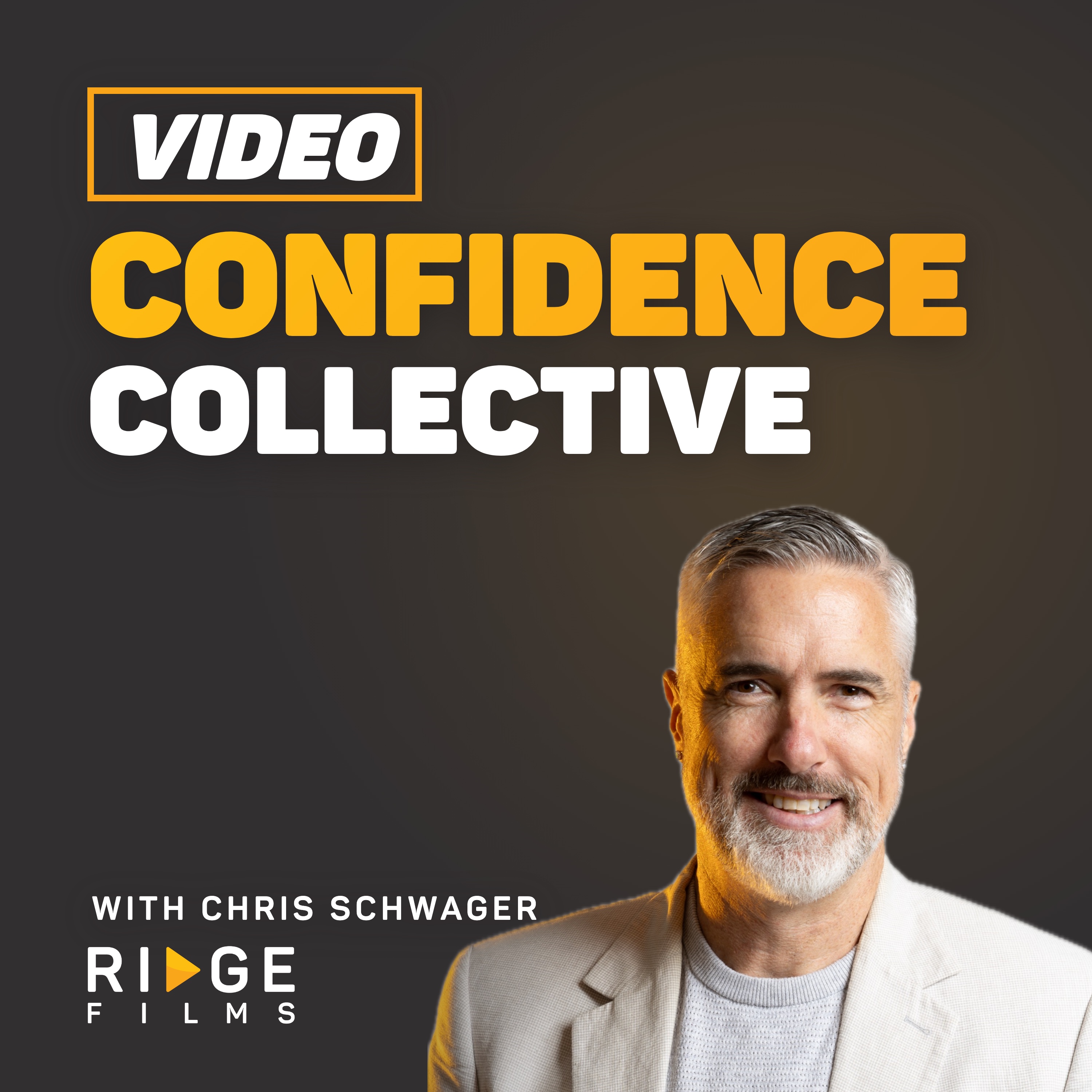
Two things: energy, and a message that's been tightened before you hit record. In this short clip Chris opens with a burst of energy that catches you off guard, then explains why. People are saturated with information and worn down by back-to-back calls and webinars, so the presenters who stand out are the ones who lift the energy and get to the point.
"It's good quality information now packaged in a short, succinct consumable tight way." Chris Schwager
Energy tells people you're worth listening to. Structure makes sure you are.
Why do online presentations lose people?
Because most of them sound the same. A presenter reads slides at an even pace, the camera flattens what little energy they bring, and the audience drifts to their inbox. Chris doesn't soften it:
"You know, nobody's saying how kickass webinars are." Chris Schwager
The fix is to deliberately rise above that, with more energy and less padding than the presentation before yours.
How much energy should you bring on camera?
More than feels natural. What feels like a lot in the room reads as normal through a webcam, and what feels normal in the room reads as flat. Lift it before your first word.
Energy is one of the five performance signals Chris coaches, alongside body language, speed, tone and cadence. It changes how everything else in your delivery lands. Learn how energy keeps viewers watching, and for the rest of the signals, learn to speak on camera with confidence.
Should you script an on-camera presentation?
Script the opening. Chris's advice is to write a short opener of about a minute that delivers real value up front, then move into the demo or the main content and give people what they need.
Writing it down is what gives it structure, and structure is what lets you be direct. Without it, the opening becomes a warm-up, and the warm-up is where you lose people.
- Write the first minute word for word. Who it's for, what they'll get, why it matters now.
- Read it, then put the script away. Move into the demo or the discussion in your own words.
- Cut anything that doesn't earn its place. If a sentence is there to fill time, it goes.
If writing a script is the hard part, learn to write video scripts that win clients.
How long should an online presentation be?
As long as it takes to give people what they need, and no longer. If you finish early, end early. In the clip, Chris's view is that people will probably thank you, because you've been direct about what you needed to give them.
For a live session with an audience, run through ten tips for nailing your online event. For the shorter version, get the four-minute rundown on presenting well on camera.
All of this is trainable. For the wider picture of performance, messaging and setup, get confident on camera.
On-camera presentation: questions we get asked
How do you keep people's attention on a Zoom presentation?
Bring more energy than feels natural, open with a short scripted minute of real value, then get straight into the content. End when you've given people what they need.
Should I script my whole presentation?
Script the opening, about a minute, word for word. Then move into the demo or discussion in your own words, so it stays natural.
Why do I look flat on camera when I feel fine?
The camera flattens energy. What feels like a lot in the room reads as normal on screen, so lift your energy before you start speaking.
Is it OK to finish an online presentation early?
Yes. If you've delivered what people need, let them go. Being direct about their time earns more goodwill than filling the slot.
Want help with how you come across on camera?
If you'd like someone to work on your delivery, your message and your setup with you, book a call with Ridge Films.
Video transcript
Hang on a sec. What the hell happened here? What the hell?
That level of energy is now kinda to a certain degree is what people are requiring to break out of the zoom monotony and bloody fatigue of zoom stuff and webinars. You know, nobody's saying how kickass webinars are. I'll tell you straight up, you know what I mean.
The idea with this saturation of information in this way is to just start rising above. It's not disingenuous, it's not bloody silly. It's good quality information now packaged in a short, succinct consumable tight way. do you know how much value you can deliver?
And I'm not talking about this script, but the value of delivering something like this, it's one minute long, and then getting into the demo, give them what they need. If it ends up being shorter, be on your way, hey, you can go off and have a cup of tea. They'll probably Thank you, because you've just been quite direct about what you've needed to give them because you've written it down because you've gotten structure into it.
Where to start
Desktop StudioInstalled for you. One click to record. Video CoachingMessaging, performance, tech and implementation, worked live every week.Two halves of one system. Book a call and we will work out where to start.