How to Get Clients to Trust You Before the First Meeting
Oct 29, 2026
Clients trust you before the first meeting when they have already seen and heard how you think. Put short, plain videos where prospects look before they book, and in the gap between booking and the call: a profile video on your About page, answers to the questions you hear every week, and a personal confirmation video.
Key takeaways
- Prospects check you out before they book, and they decide how far to trust you from what they find.
- Clients who have watched your videos turn up feeling they already know you, which is what Byron Trzeciak and Mike Mortlock both describe.
- Three videos do most of the work: a profile video, answers to your most common questions, and a confirmation video after someone books.
- A confirmation video can be under a minute, recorded on your phone, and still change how the first meeting starts.
- Knowing which videos to make is the easy part. Recording them well and keeping them coming is where most people stall.
Why do clients need to trust you before you meet?
Because most of the decision is made before the call. A prospect searches your name, reads your site and looks you up on LinkedIn, and they're asking one question the whole time: can I trust this person with my money? One client told us, before she signed, that people paying serious money don't want to join something that looks dodgy. If all they find is a logo and a paragraph, you walk into the meeting as a stranger.
Chris puts it this way in his masterclass: "If people can't see how you think, they can't trust you. And trust doesn't form in private."
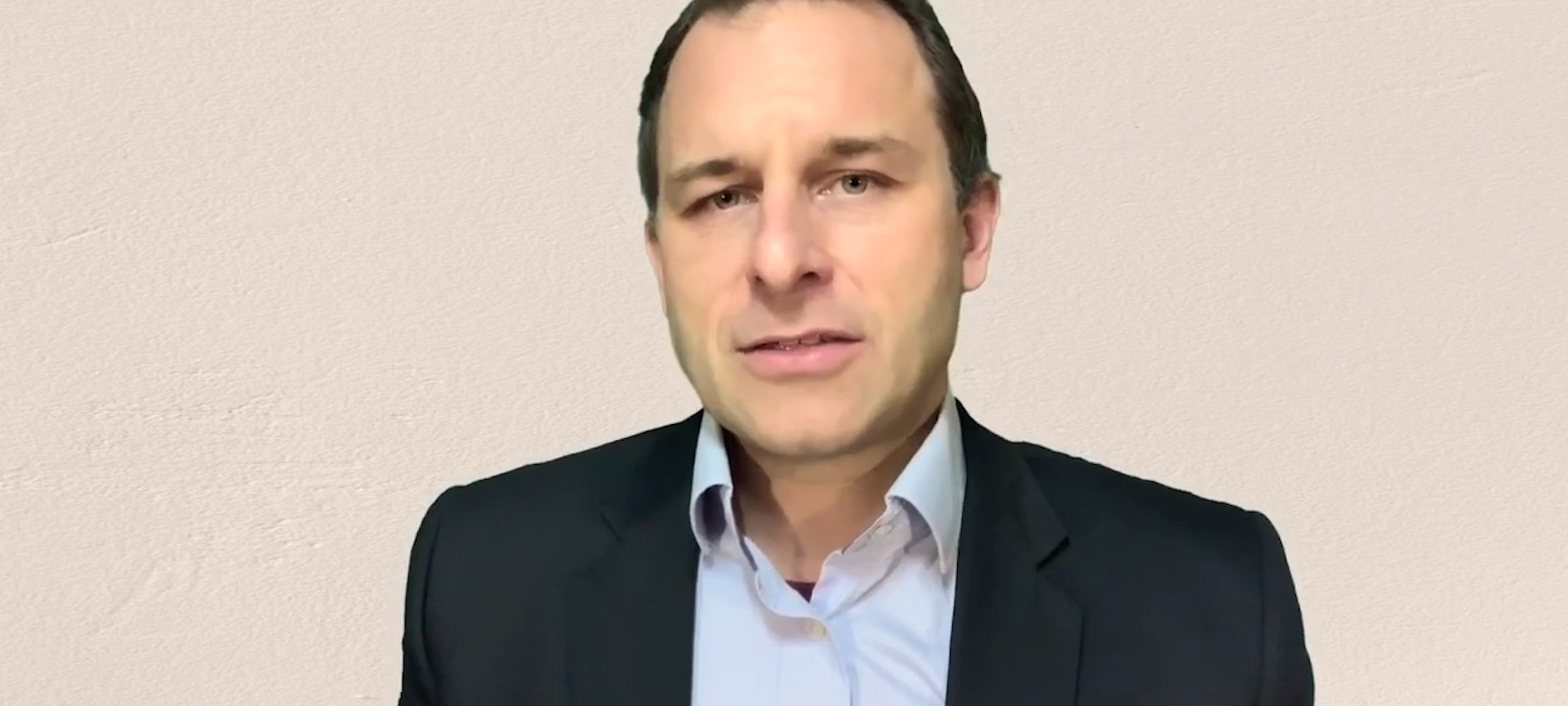
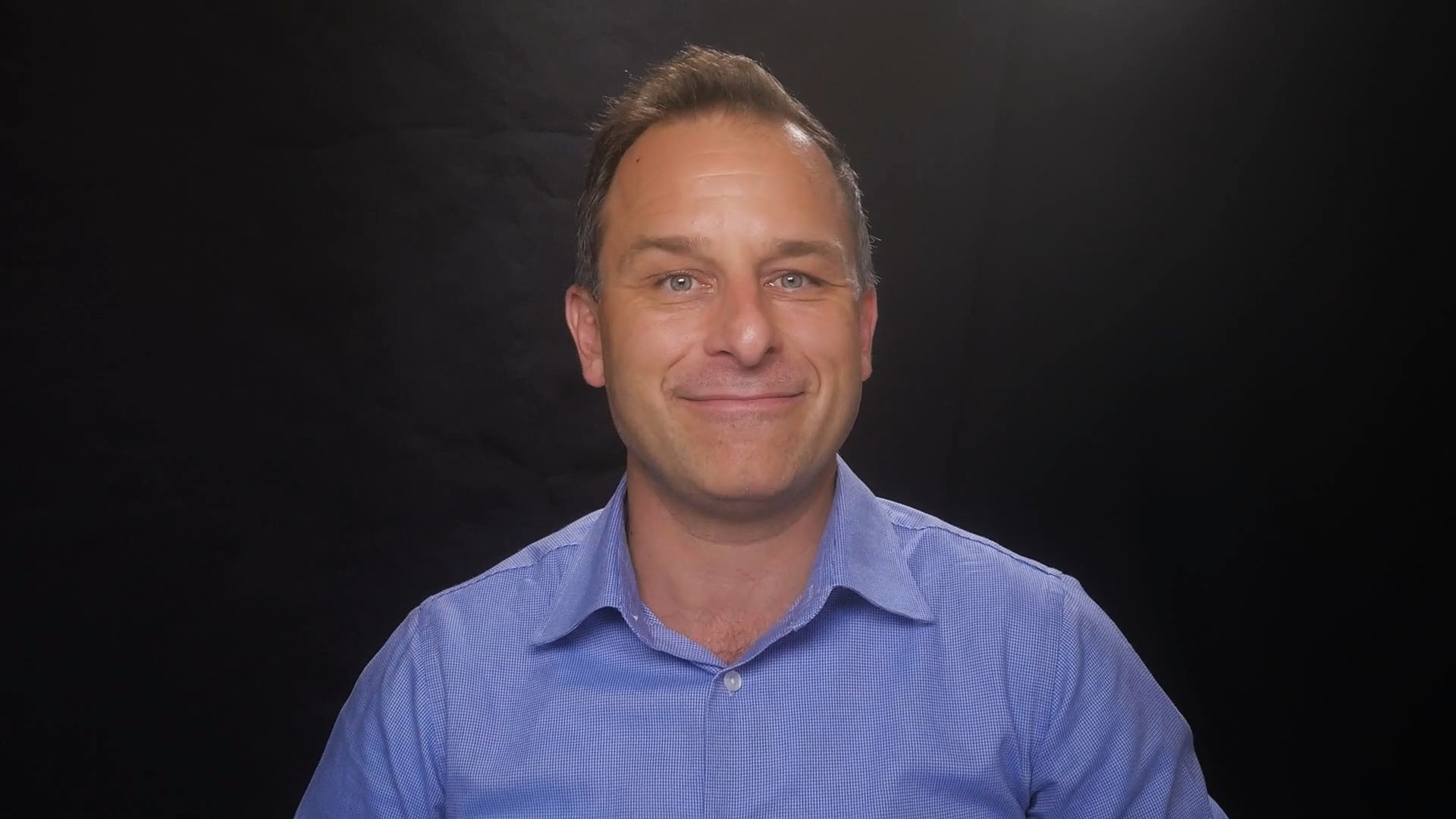
Andrew Zbik is a financial adviser at Creation Wealth, in an industry he says still carries a trust deficit after the Royal Commission, where most people find an adviser through someone they already know. Video changed how he builds that trust:
"I never took on a new client without meeting them face to face... I now have clients I've never met in the flesh." Andrew Zbik
What does it look like when a prospect already trusts you?
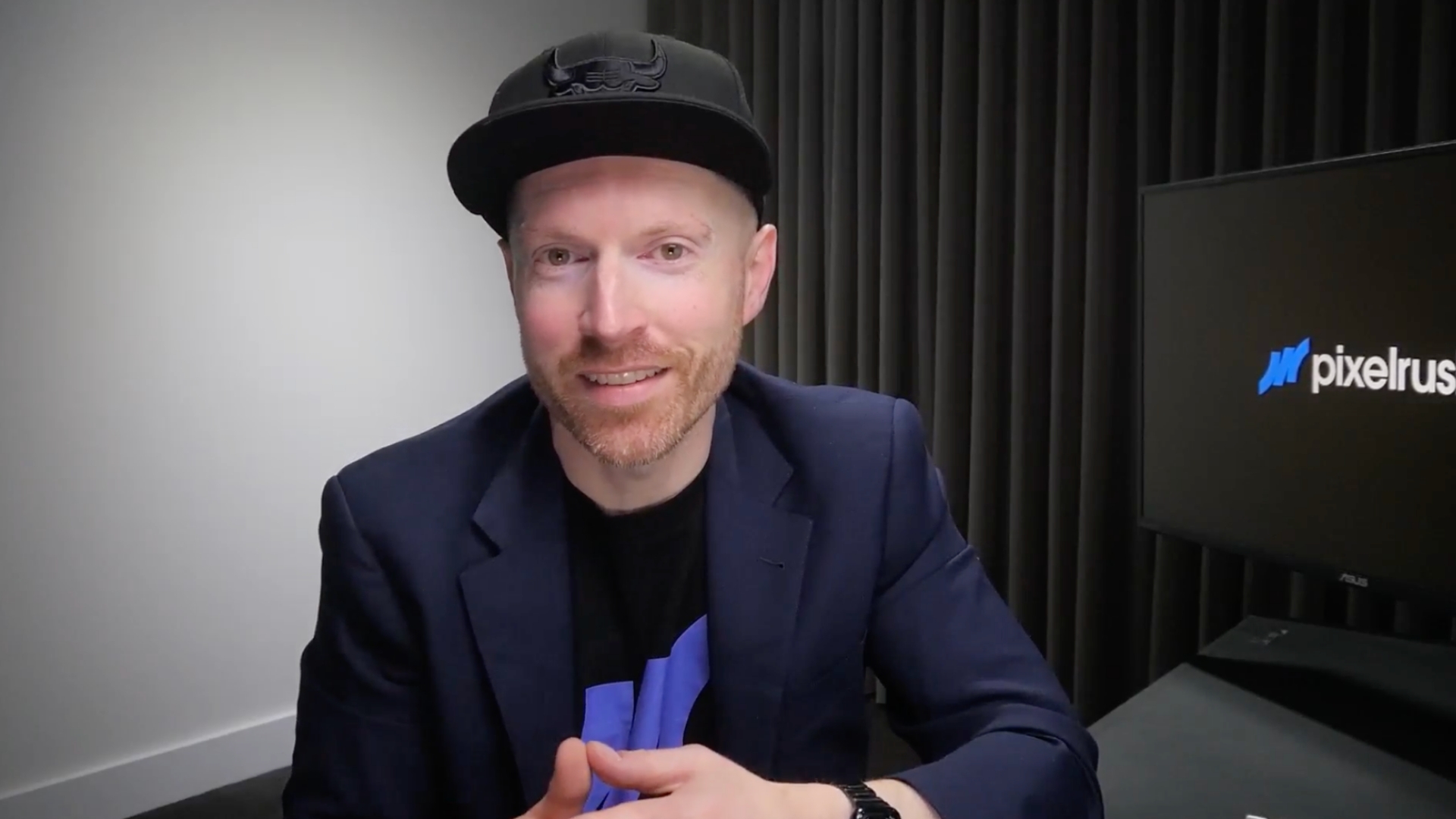
They arrive quoting you. Byron Trzeciak runs PixelRush, a digital marketing agency, and calls himself a kid who used to skip drama class. Once his video ads were running, people started turning up to calls with his head of sales repeating things Byron had said:
"I realized that they binged, you know, five to 10 videos before they'd got on that call." Byron Trzeciak
He describes the feeling on those calls as "some sort of preexisting relationship there, even though it's the first time that you're meeting this person." He puts the money made off his video-based ads at well over $300,000. Read how Byron added $300K with video.
Hear him tell it, from 12:24 in his interview with Chris:
Which videos should a prospect see before they book?
Three, and none of them is a sales pitch.
- A profile video on your About page. Who you are, why you do this work and who you help, in your own voice. It is the page people go to when they're deciding whether you're real. If you're stuck on the words, grab the free personal profile script prompt.
- Answers to the questions you hear every week. Answer on video what a prospect would ask on the call, and they arrive with the basics settled.
- A confirmation video once they book. More on that below, because it does a different job.
Linh Podetti of Outsourcing Angel makes a habit of asking clients where they found her. Often they Googled her, watched a YouTube video and could see she was an expert before they ever spoke.
Do this for long enough and the effect compounds. Mike Mortlock of MCG Quantity Surveyors has been publishing video for years, and he describes the result as an intimate relationship at scale:
"There will be people that talk to me that feel like we've been friends forever, but I've never met them, but they've been watching my stuff." Mike Mortlock
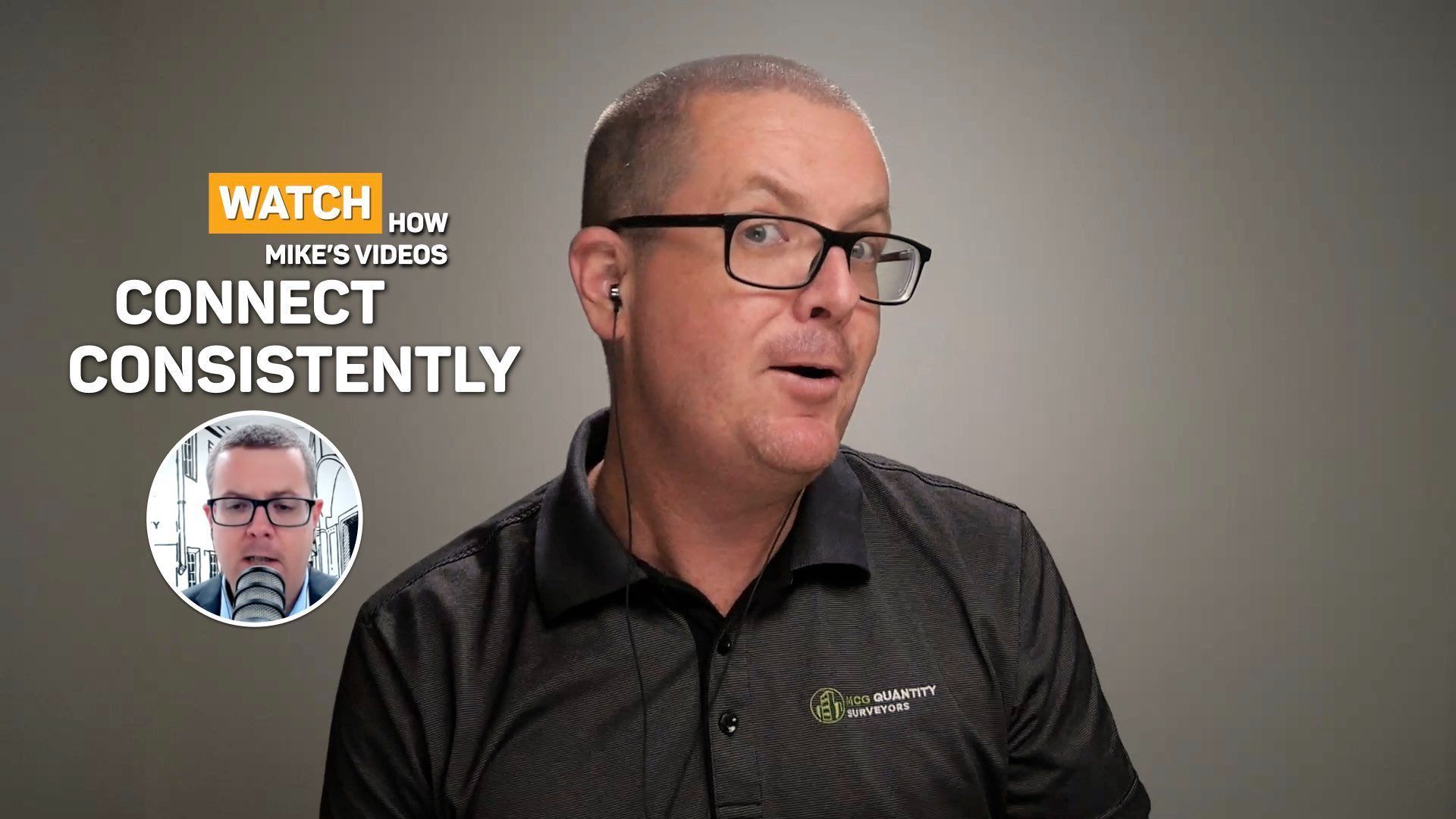
His story is in Mike Mortlock's quantity surveyor case study.
What should you send between booking and the meeting?
A short personal video, because the gap is where interest leaks away. Someone books on a Saturday afternoon for a meeting a week later, and by the day itself they've half forgotten why. Chris records one for every person who books a call with him, on his iPhone, wherever he is, in under a minute. It covers four things:
- Their name, and the day you're meeting.
- That you've had a look at their website, and the one thing you most want to learn about their challenge.
- A practical reminder: check your camera and microphone, and the meeting link is in the calendar invite.
- One small ask: reply "confirmed" so you know they've watched it.
Chris calls it "a play of one". Nobody else sees it and it isn't polished. It tells the person a real human is expecting them.
Do these videos have to be perfect?
The confirmation video doesn't. It works because it's quick and personal.
The profile video and your answers to common questions are different, because those are the ones a stranger judges you on. Record them where you are lit from the front, your sound is clear and your eyes are on the lens. Then publish and keep going. In his masterclass Chris compares a video to a hat, a haircut or a tattoo: most professionals treat it like a tattoo, when at worst it's a bad haircut that grows out, and most of the time it's a hat you can take off.
Why don't more businesses do this?
Plenty of people know they should. What stops them is everything in between: working out what to say, sounding natural saying it, setting up the gear and getting it into the right places once it's made. Chris breaks that into four pillars, messaging, performance, tech and implementation, and video stalls when any one of them is missing. Buying a camera fixes one of the four.
If you want the bigger picture first, see why video matters for your business. If it's the delivery that holds you back, that's what get confident on camera covers.
Building trust before the first meeting: questions we get asked
How do I build trust with clients online before I meet them?
Let them see and hear you before the call. A short profile video on your About page, videos answering the questions you hear every week, and a personal confirmation video once they book give a prospect enough of you that the first meeting feels like a second one.
What is a confirmation video?
A short personal video you send after someone books a meeting with you. Say their name and the day you're meeting, mention something you noticed about their business, ask what they want to get out of the call, and ask them to reply to confirm. It can be under a minute and recorded on your phone.
Can you build trust with a client you've never met in person?
Yes. Financial adviser Andrew Zbik never took on a new client without meeting them face to face before COVID, and now has clients he has never met in the flesh. Video and video calls carry the relationship instead.
Do the videos need to be professionally produced?
Not all of them. A confirmation video works because it is quick and personal. The videos a stranger judges you on, such as your profile video and your answers to common questions, are worth recording in good light with clear sound, because they are the first impression.
Which of these sounds like you?
"I know what I'd say, I just never get it recorded." That is what the Desktop Studio removes. Installed for you, one click to record.
"I record, but I don't come across the way I do in person." That is what Video Coaching is for: messaging, performance, tech and implementation, worked live every week.
"Honestly, both." Book a call and we will work out where to start.

Where to start
Desktop StudioInstalled for you. One click to record. Video CoachingMessaging, performance, tech and implementation, worked live every week.Two halves of one system. Book a call and we will work out where to start.