
Why Do Prospects Choose Your Competitors Over You?
Oct 30, 2026
Prospects choose a competitor when two offers look close on price and quality and the other business simply feels safer. That feeling forms before and during the sales call: from what they find when they look you up, how familiar you already seem, and how you come across on screen.
Key takeaways
- When two offers are close on price and quality, prospects choose the business that feels safer and more familiar.
- You can find out why you are losing by asking lost prospects, asking won clients, and looking yourself up the way a buyer does.
- Clear answers, named proof and a professional presence on video calls are things you can fix this week.
- Sam Moses chose one software provider over another for a $20,000 purchase because they looked more professional on Zoom.
- Being seen often, in your own voice, is how a smaller business gets the familiarity a bigger competitor pays for.
Why do prospects pick a competitor when your offer is just as good?
Because when the offers look alike, the buyer has to decide on something else. Price is close, the service sounds about the same, so they go with whoever seems more trustworthy and easier to deal with.
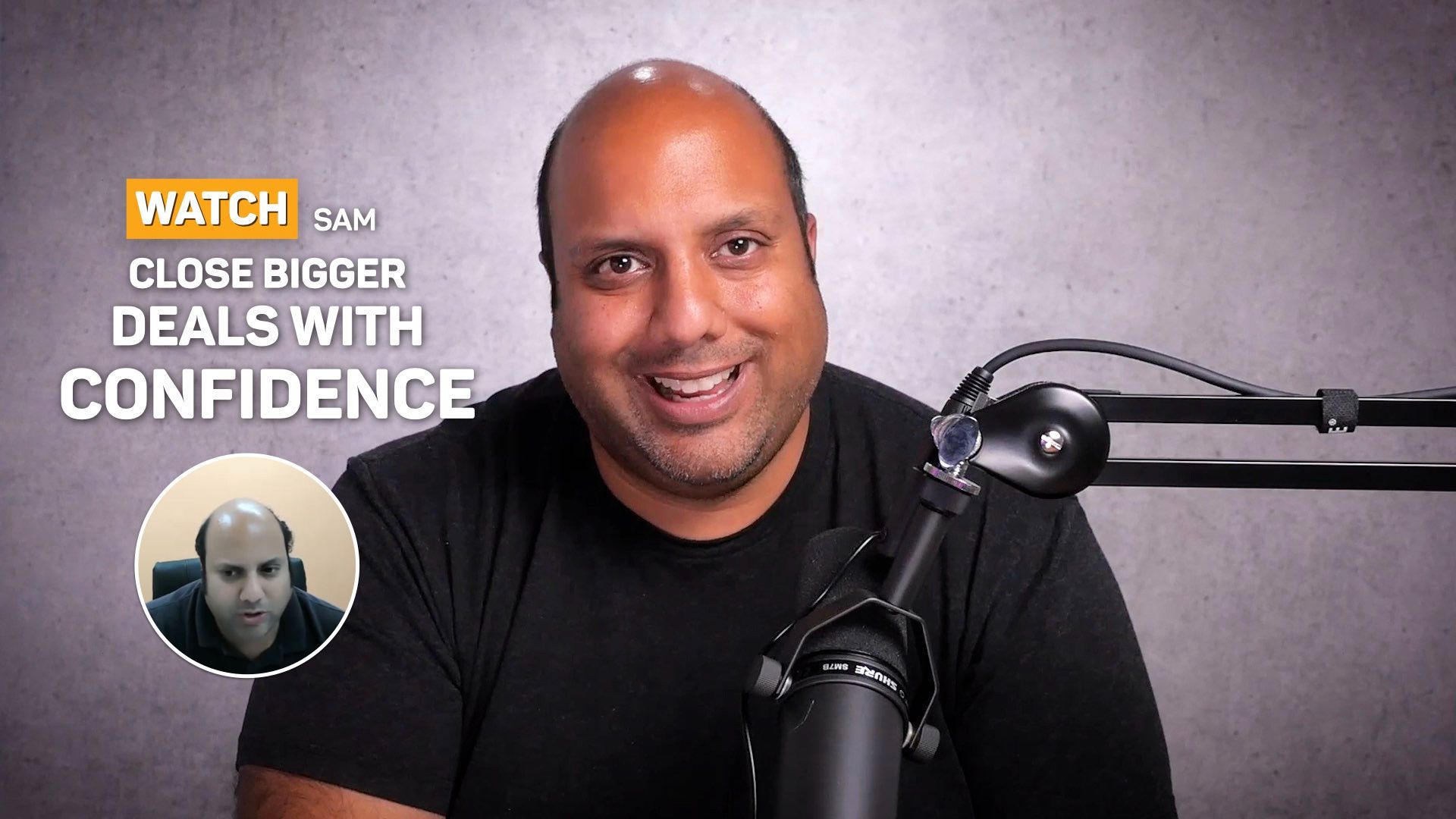
Sam Moses, founder of Sockrates, sells B2B on Zoom and is, by his own account, very picky about decisions like this. He was pitched the same kind of software by two providers. When you're dealing with two providers, he says, "the price is close and the quality of the service looks like it's gonna be close." So the deciding factor was how they showed up:
"So I actually made like a $20,000 technology purchase based on the fact that somebody just looked a little bit professional than the other person." Sam Moses
Hear him tell it, from 16:07 in his interview with Chris:
 Watch from 16:07
Sonia Majkic of 3 Phase Marketing describes the other side of it. Without something that separates you, she says, you get lumped in with everyone else and end up fighting on price against "the guy down the road who's cheaper":
"Otherwise, you're just a commodity. You just get bucketed." Sonia Majkic
How do you find out why you're losing deals?
Ask, then look. Three things you can do before the end of the week:
- Ask the prospects who went elsewhere. One short, no-pressure message: "Thanks for considering us. Would you mind telling me what tipped it the other way?" Some won't answer. The ones who do will tell you more than any survey.
- Ask the clients who chose you. Linh Podetti of Outsourcing Angel makes a habit of asking clients where they found her. Often they Googled her, watched a YouTube video and could see she was an expert before they ever spoke. That tells you what's already working.
- Look yourself up the way a buyer does. Search your name and your business, open your LinkedIn and your website, then do the same for your closest competitor. Put them side by side. Which one would you trust with your money, and why?
That last one stings, and it's usually where the answer is. It's a belief business owners tell us often: younger, less experienced people are winning work with simple, self-shot video. A marketing specialist at a large IT firm put it another way, telling us her competitors were very prominent with their video content and she didn't want to be left behind. Both describe the same problem: being harder to find, and less familiar, than the people you compete with.
What makes a competitor feel safer to buy from?
Familiarity. People trust what they recognise, and they recognise what they've seen before. A competitor who posts regularly, answers questions on video and turns up well on calls has been in the buyer's feed for months before you ever meet.
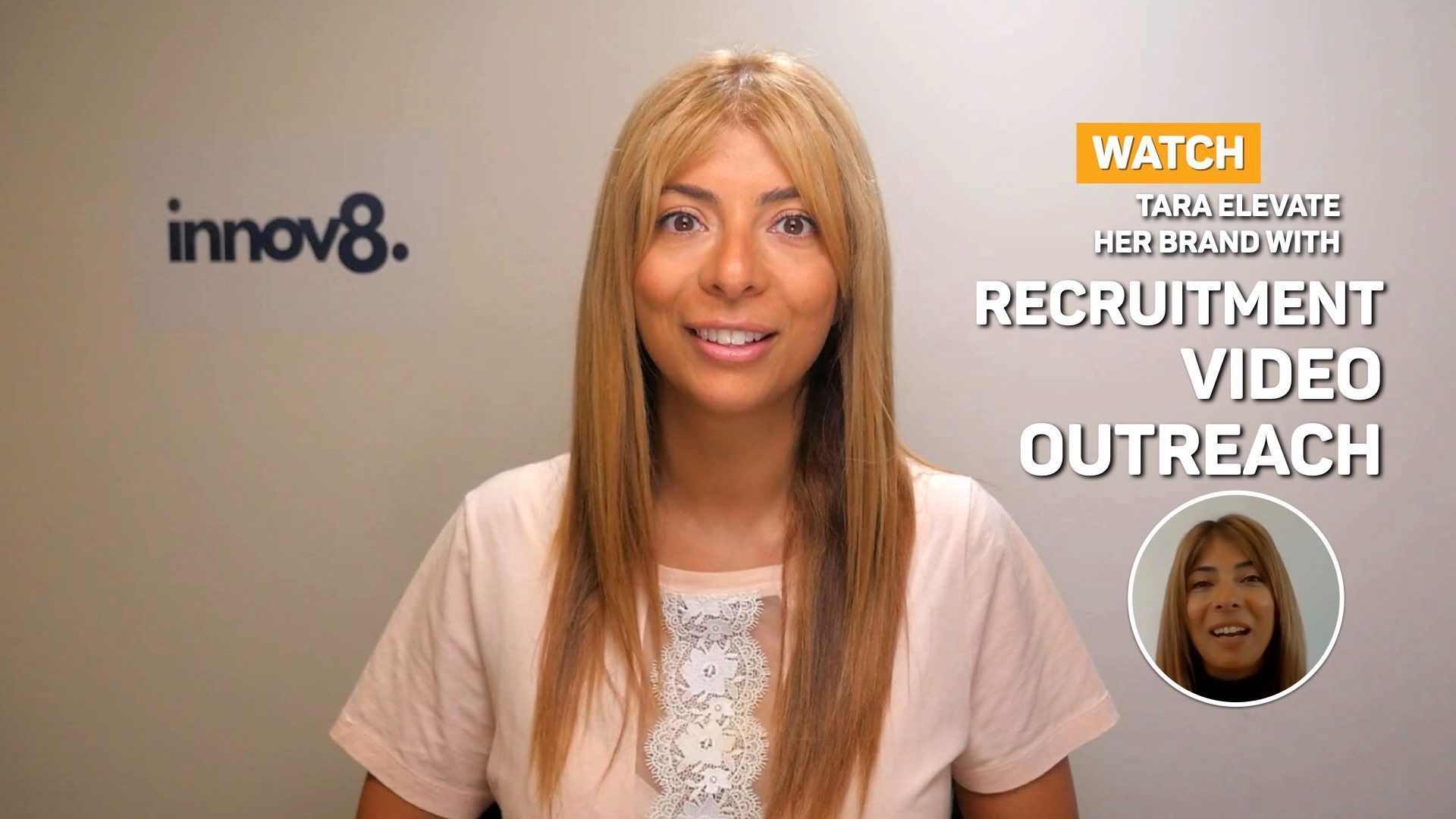
Tara Sharma of Innov8Search saw how far that reaches. Her team records short LinkedIn videos every week, and when she introduced a new team member at a conference, "every single person... said, oh yeah, we know you. We've seen the video on LinkedIn." She had joined within the month.
The same thing happens before a sales call. If you want to build it on purpose, here's how to get clients to trust you before the first meeting.
What can you fix this week?
- Answer the questions you hear on every call, on your website, in plain words. Price ranges, how you work, how long it takes. A buyer who can't find the answer assumes the worst.
- Show proof with names. Real clients, real results, real Google reviews. "Trusted by leading businesses" says nothing.
- Fix how you look and sound on calls. Light from the front, camera at eye level, a plain background and a decent microphone. Buyers notice it straight away.
- Send something personal before the meeting. A short video saying their name, the day you're meeting and what you want to learn about their business.
- Follow up on lost deals in three months. Circumstances change, and the competitor they chose doesn't always deliver.
Does looking professional on a call really change the decision?
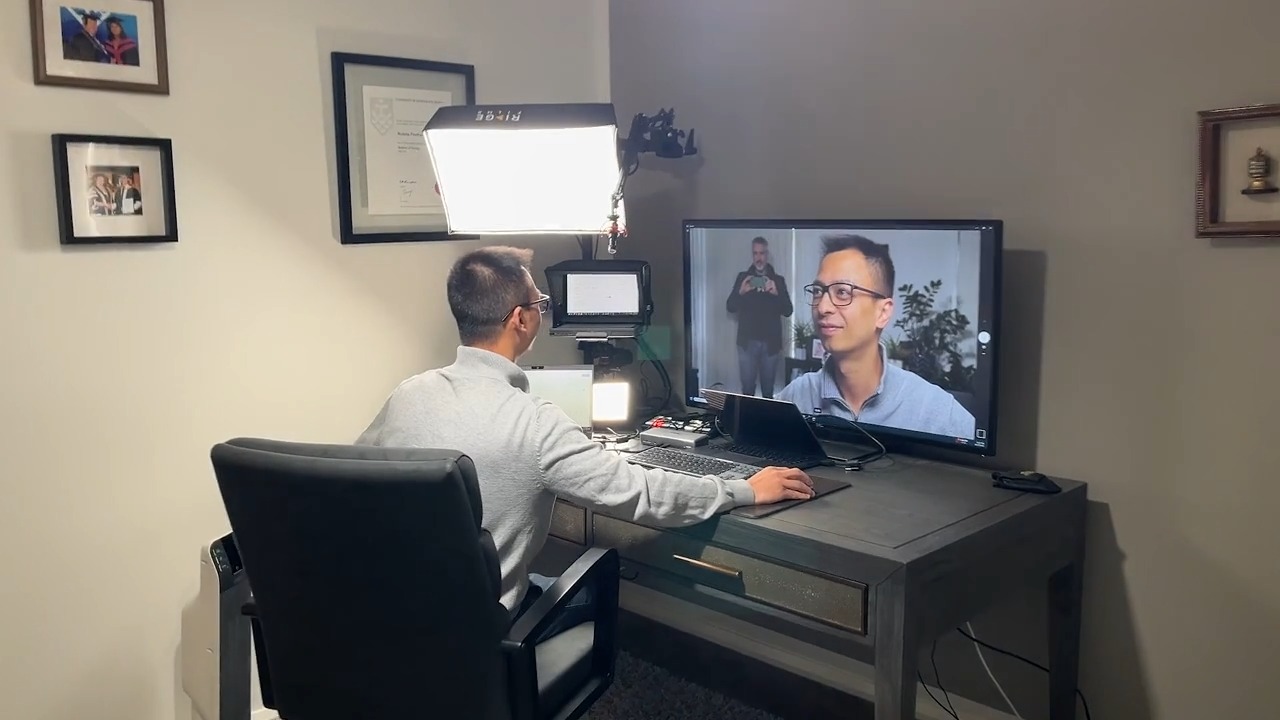
Sam's own results say yes. A few months after his Desktop Studio went in, he said it plainly: "I'm noticing my close rate's higher." His whole story is in Sam Moses's case study.
You can test it without buying anything. Before your next three calls, check the picture first: light on your face from the front, camera at eye level, a background that isn't a mess, and a voice they can hear without straining. Then notice whether the conversation feels different from the first minute.
What if you'd rather not do all of this yourself?
Everything above works, and you can do it alone. The hard part is keeping it up once the busy weeks arrive and the videos and the follow-ups slip.
We help our clients with both halves. The Desktop Studio is installed in your office so you look and sound professional on every call with one click, and Video Coaching works with you live every week on what to say, how to say it and making it a habit. If you want the bigger picture first, see why video matters for your business.
Losing to competitors: questions we get asked
Why do customers choose a competitor when my product is just as good?
When two offers look close on price and quality, buyers decide on how each business comes across. Sam Moses made a $20,000 software purchase from the provider who looked more professional on Zoom, because nothing else separated them.
How do I find out why I lost a deal?
Ask. Send the prospect a short, no-pressure question about what tipped the decision, and ask the clients who did choose you where they found you and what made them comfortable. Then look yourself up the way a buyer would and compare what you find with your closest competitor.
How do I compete when I'm not the cheapest or the biggest?
Make it easy for a prospect to feel they already know you before the first call. Plain answers to common questions, real proof from named clients, and a clear, well-lit presence on video calls give a smaller business the familiarity a bigger brand buys with advertising.
Does how I look on a video call really affect sales?
For many buyers it does, especially when the offers look alike. The call is often the first real look a prospect gets at you, and a dim, low or muffled picture makes a business seem smaller than it is. Sam Moses says his close rate rose after his Desktop Studio went in.
Where do you start if you keep losing to the same competitor?
Start with the message to the last prospect who went elsewhere. Their answer usually points at one of two gaps: they knew the other business better, or the other business looked more established on the call.
If you'd like a second opinion on which one it is for you, book a call with Chris and bring their answer with you.

Where to start
Desktop StudioInstalled for you. One click to record. Video CoachingMessaging, performance, tech and implementation, worked live every week.Two halves of one system. Book a call and we will work out where to start.